

Moving – ENGAGEMENT AND REACH
Across M&G NSW’s touring exhibitions there are in-built programs that promote community interaction, practical learning opportunities, professional development, and new tools for connecting with audiences. Our touring exhibitions and associated programs are designed to prioritise access and accessibility, particularly for regional audiences, as well as presenting creative practice that is reflective of the diversity of cultures and breadth of Australian experiences – key pillars and principles of REVIVE – the National Cultural Policy.
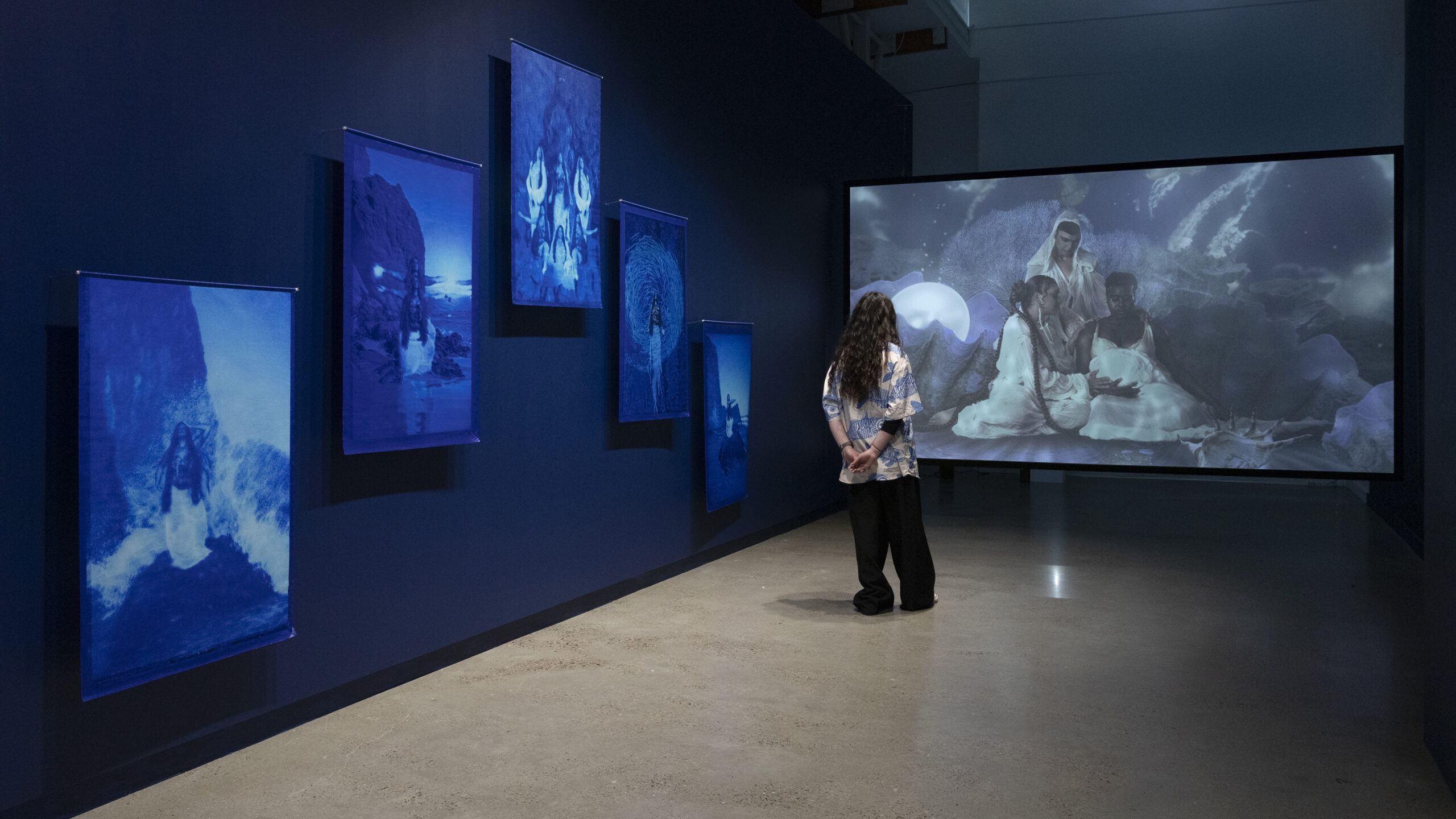
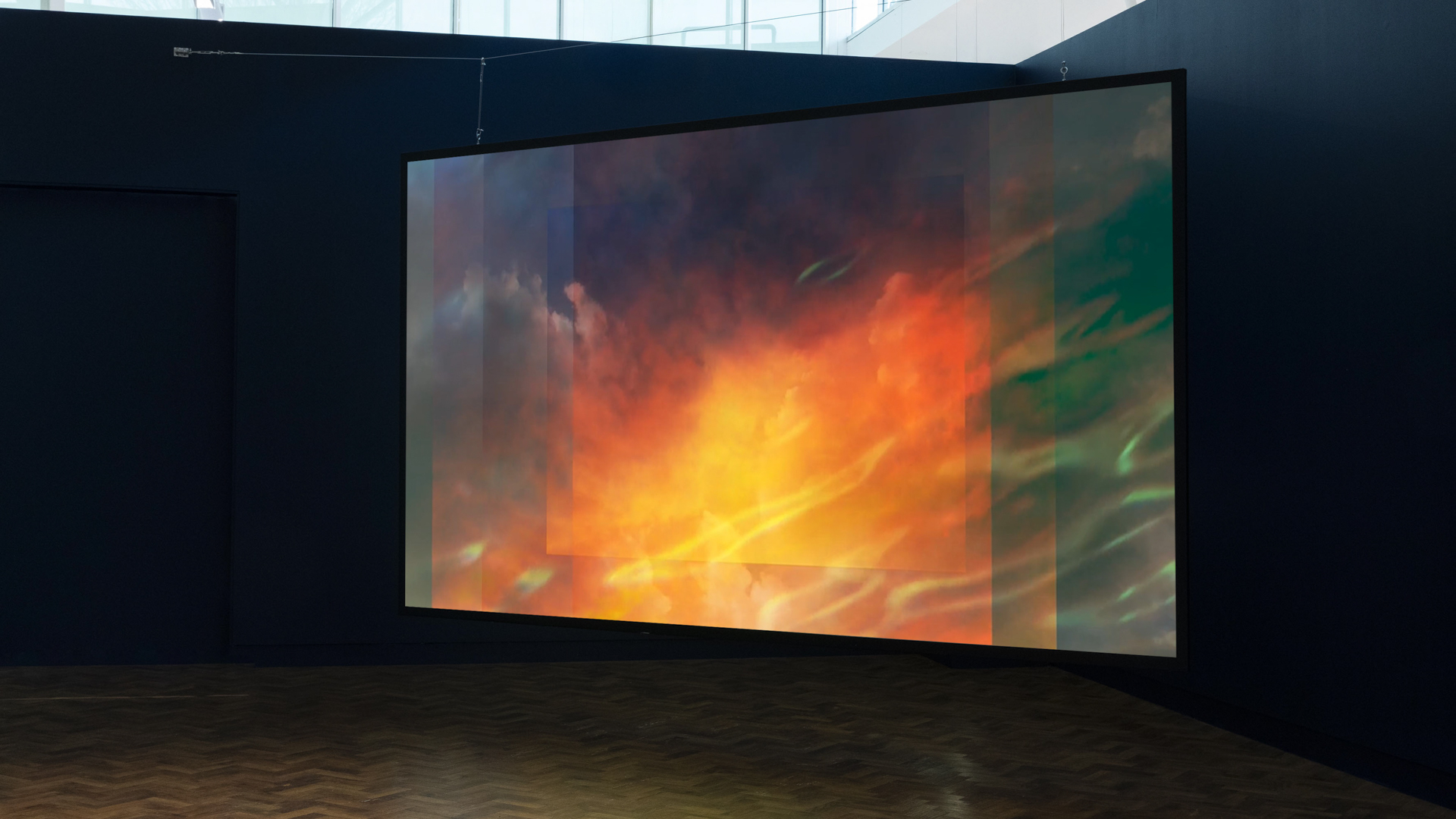
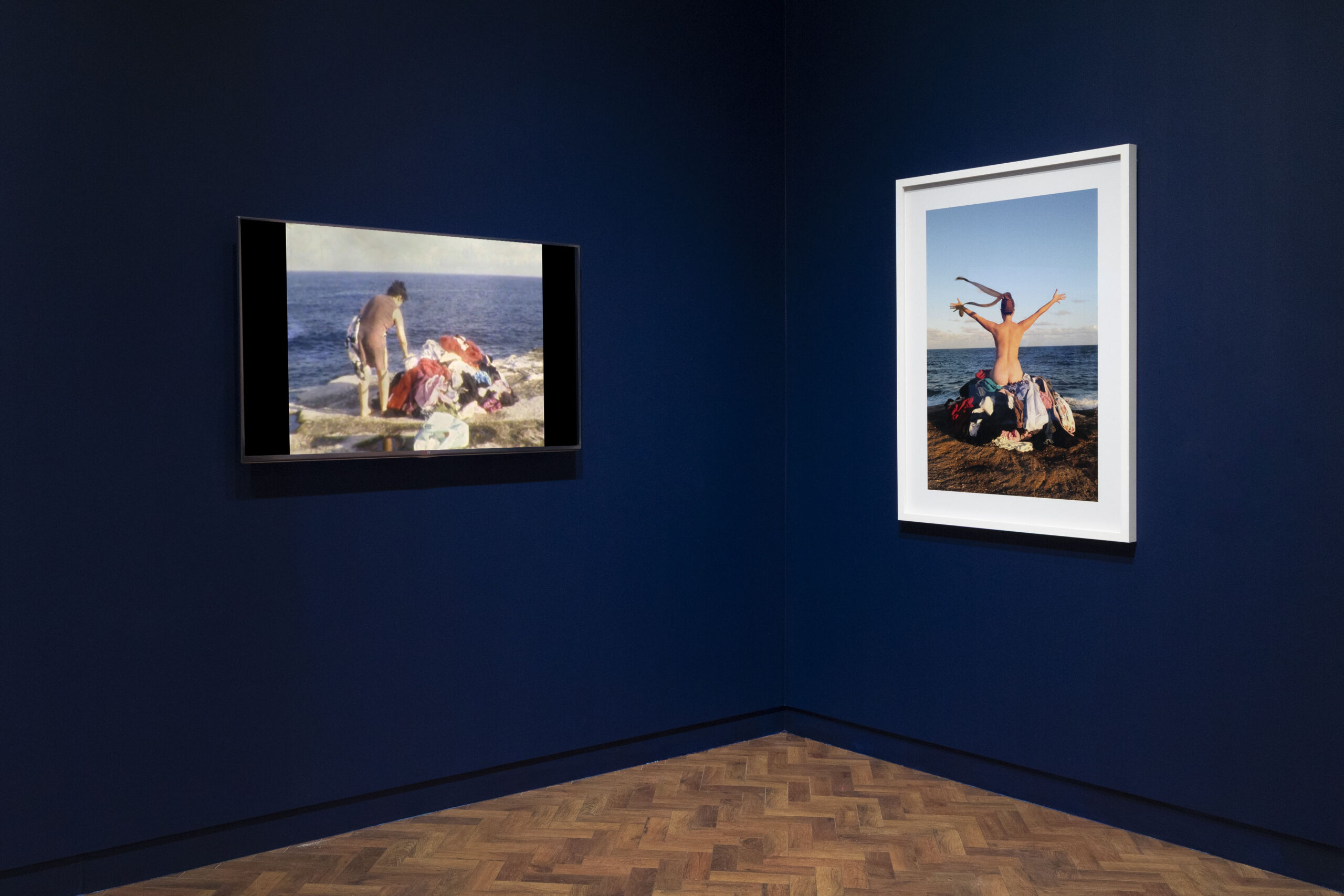
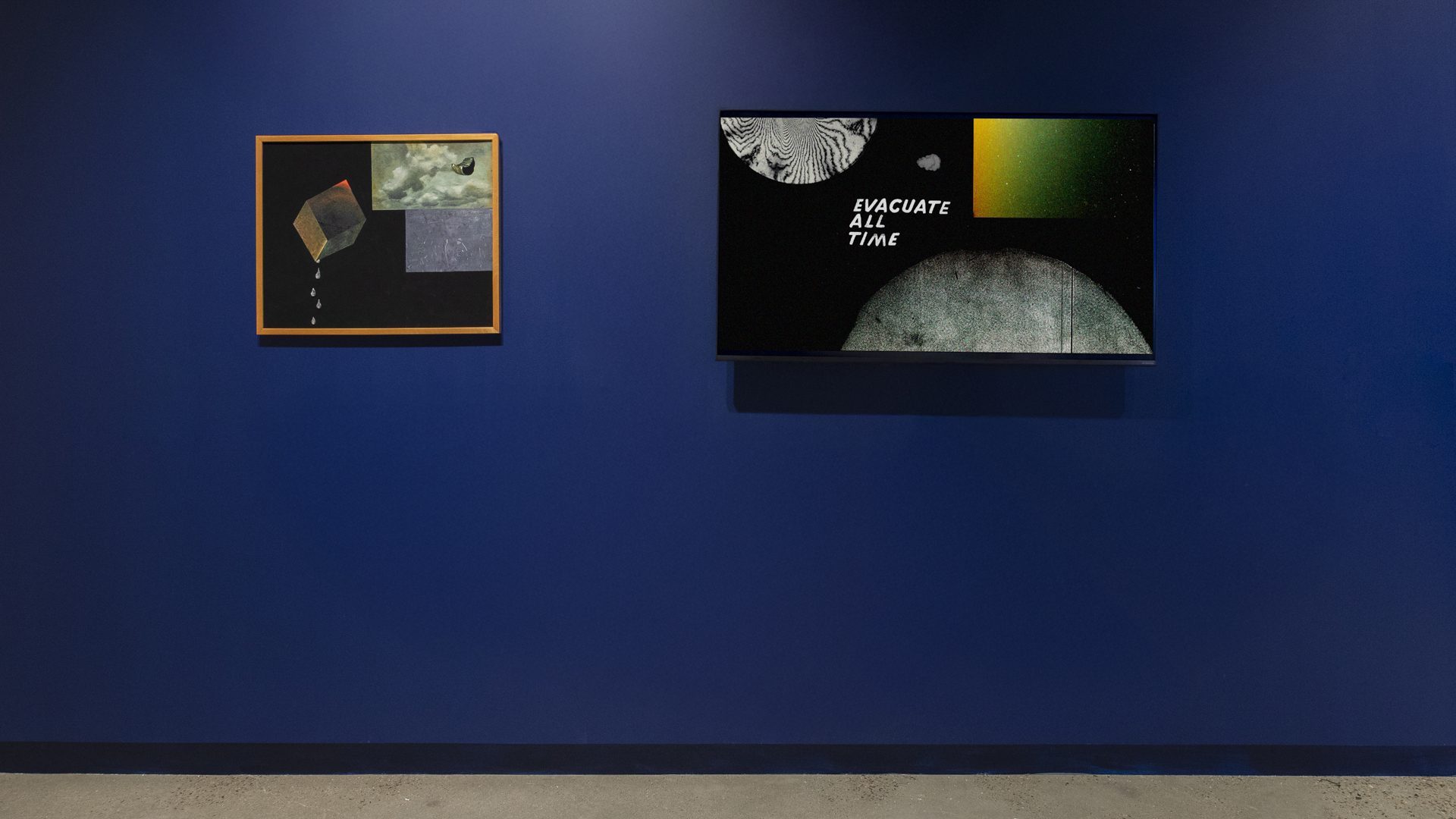
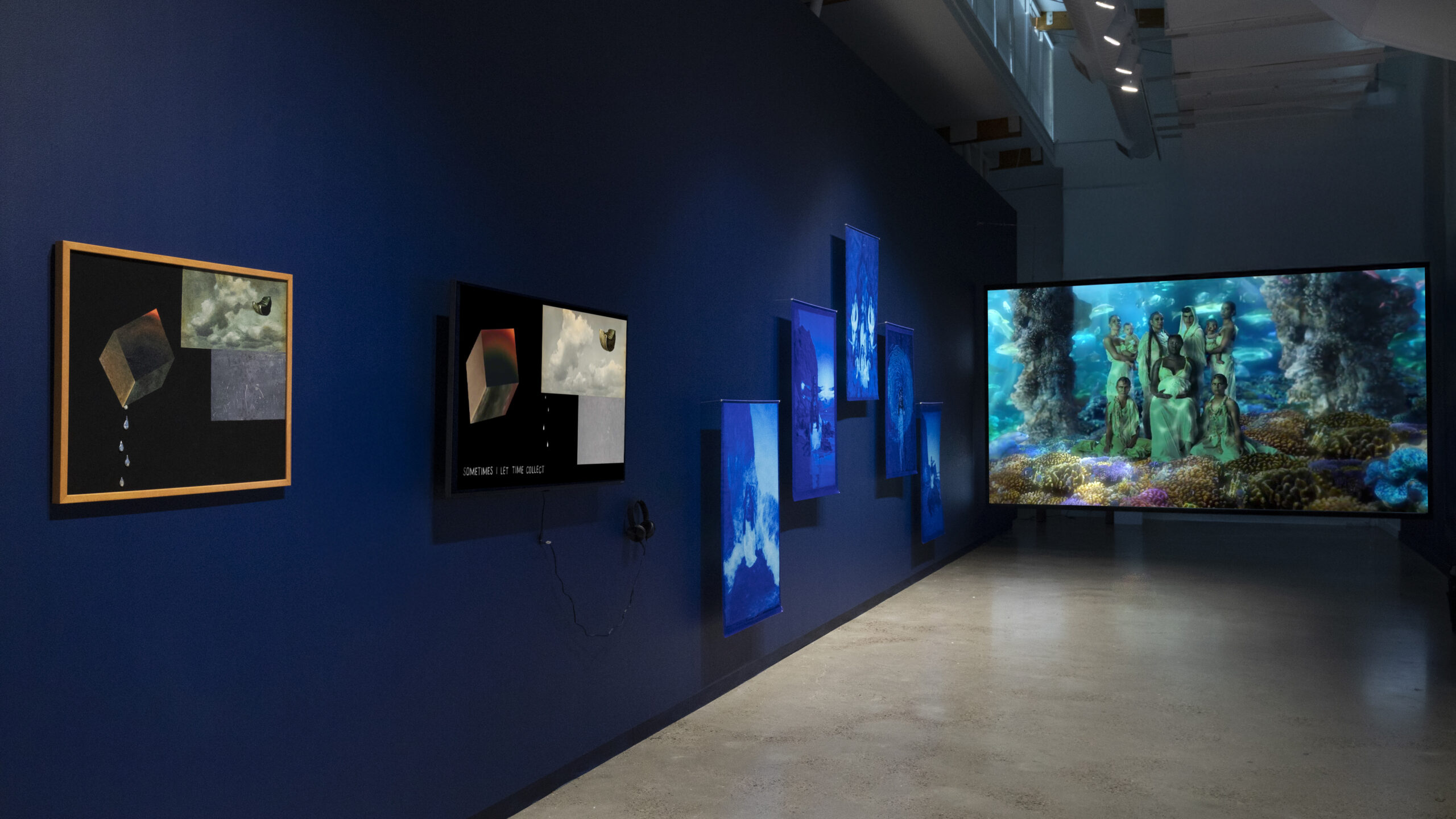
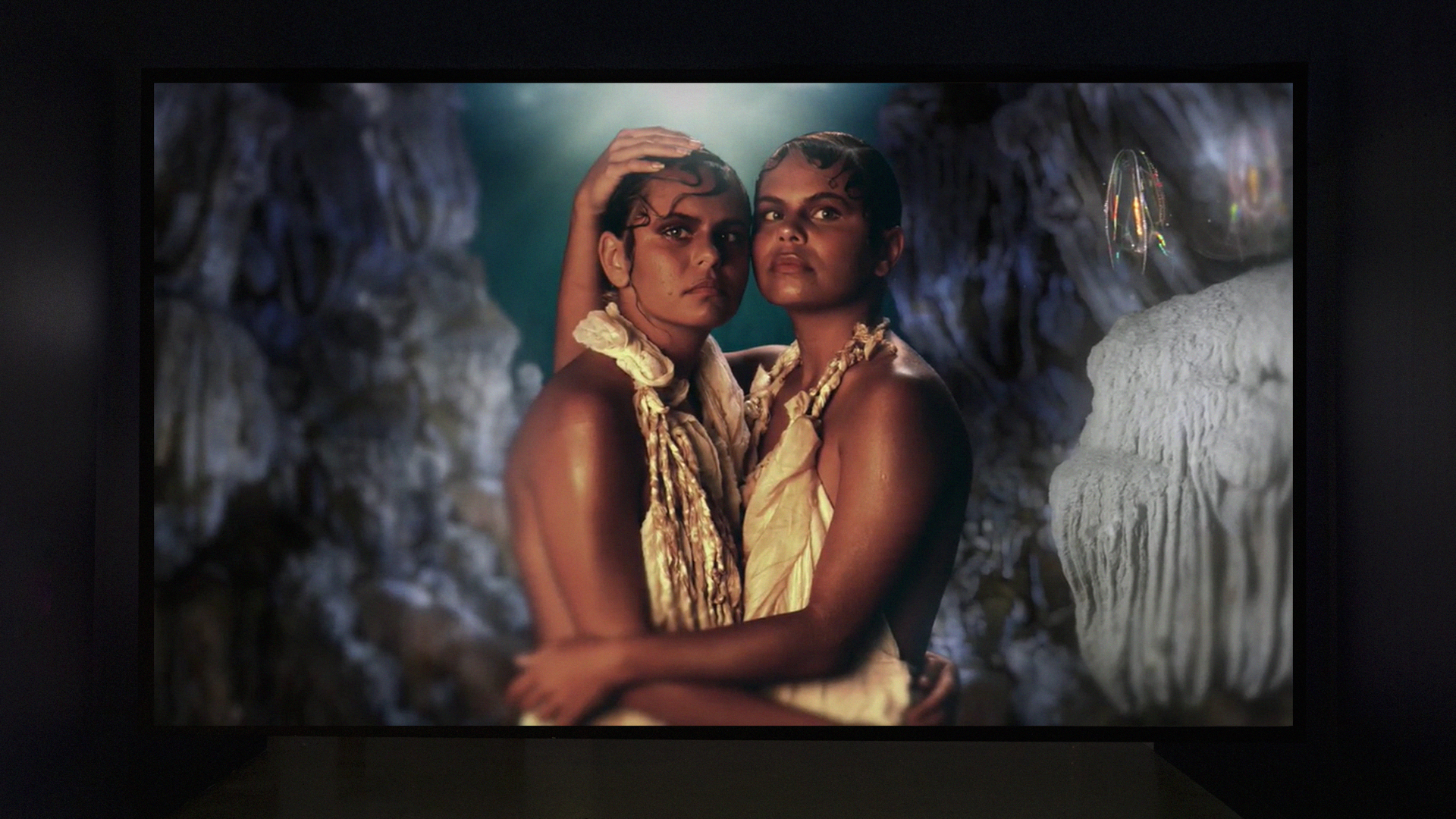
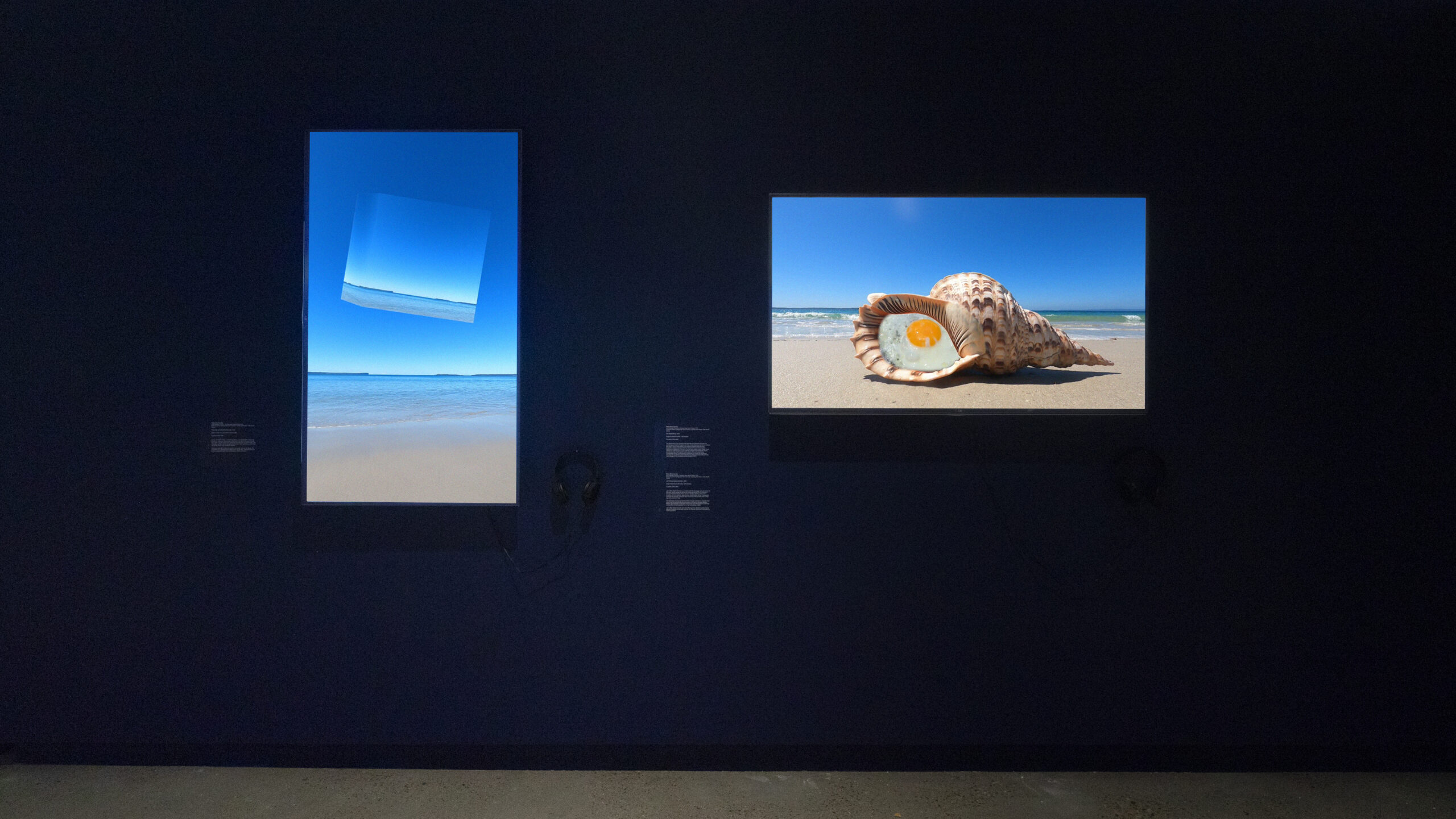
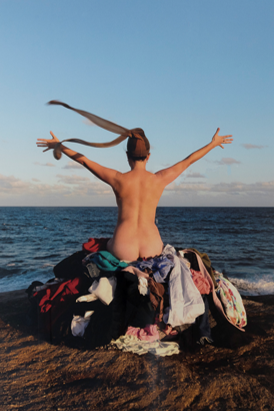
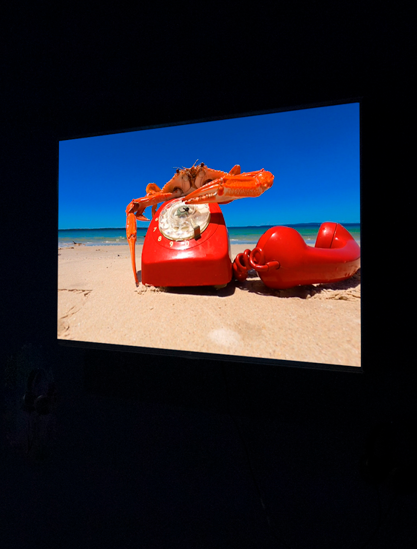
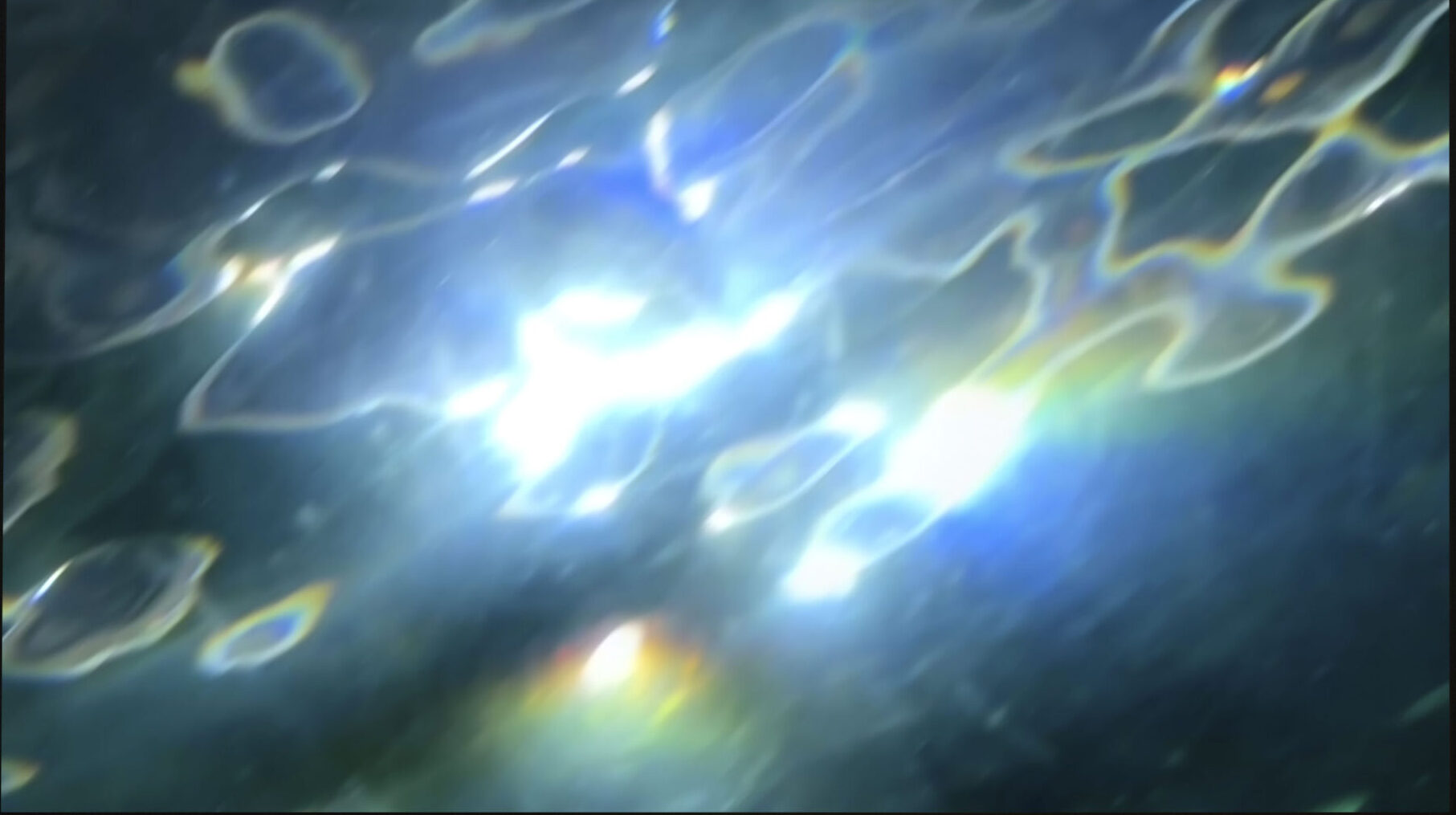
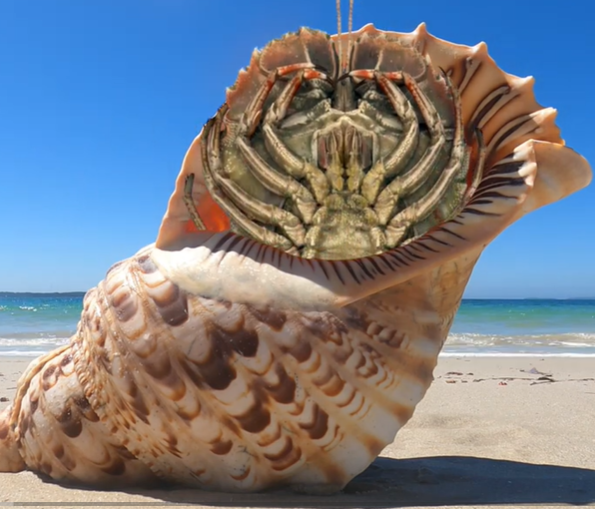
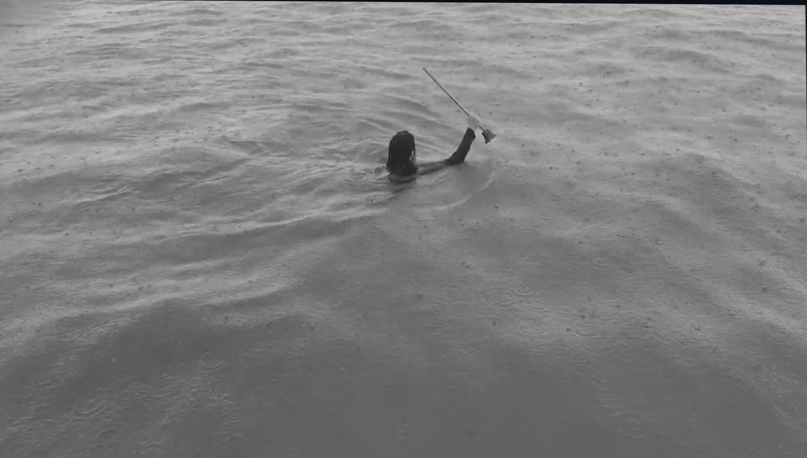
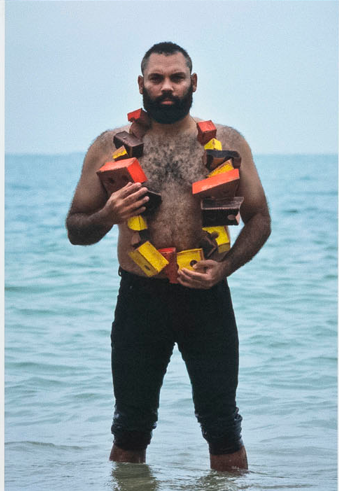
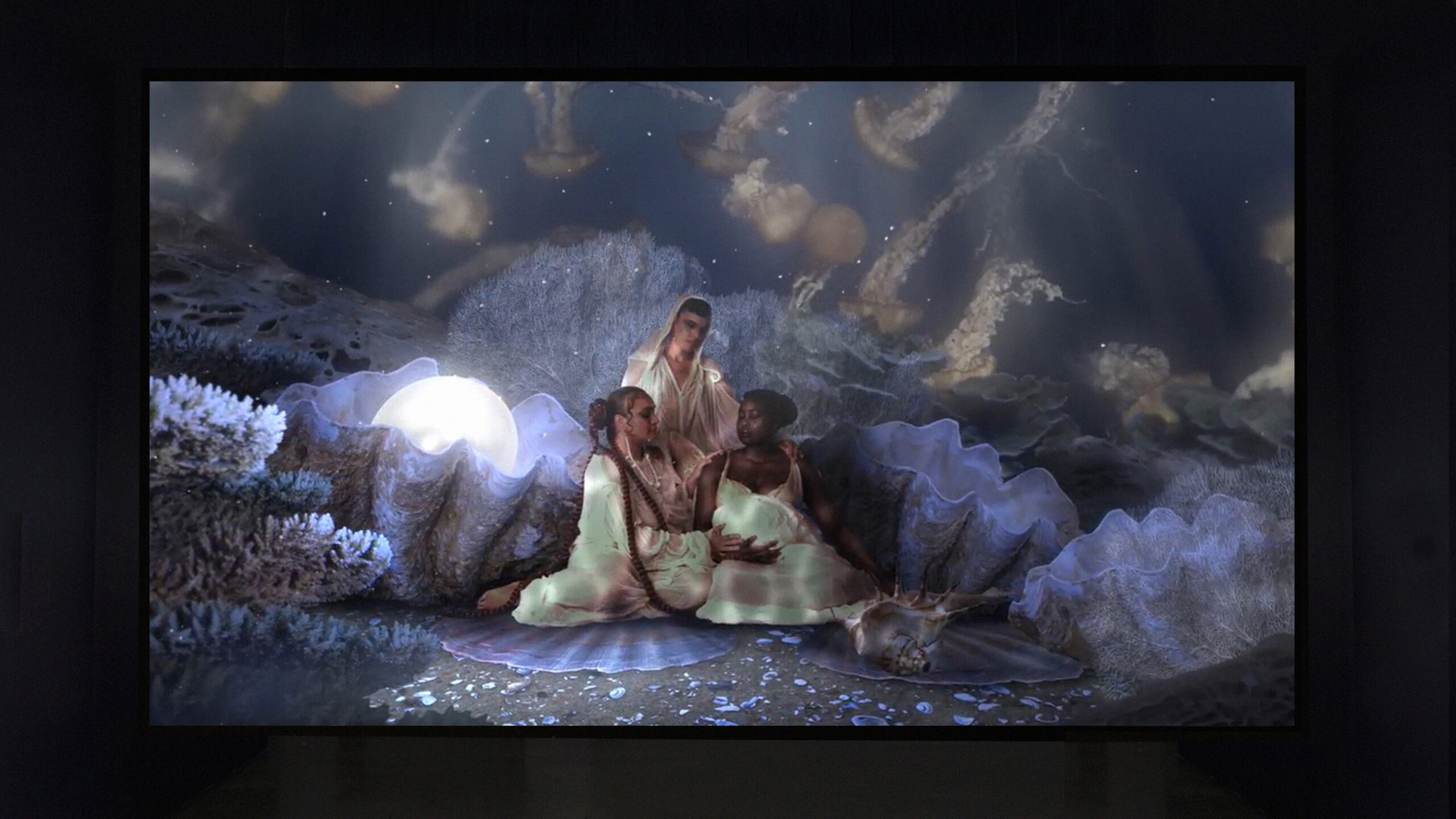
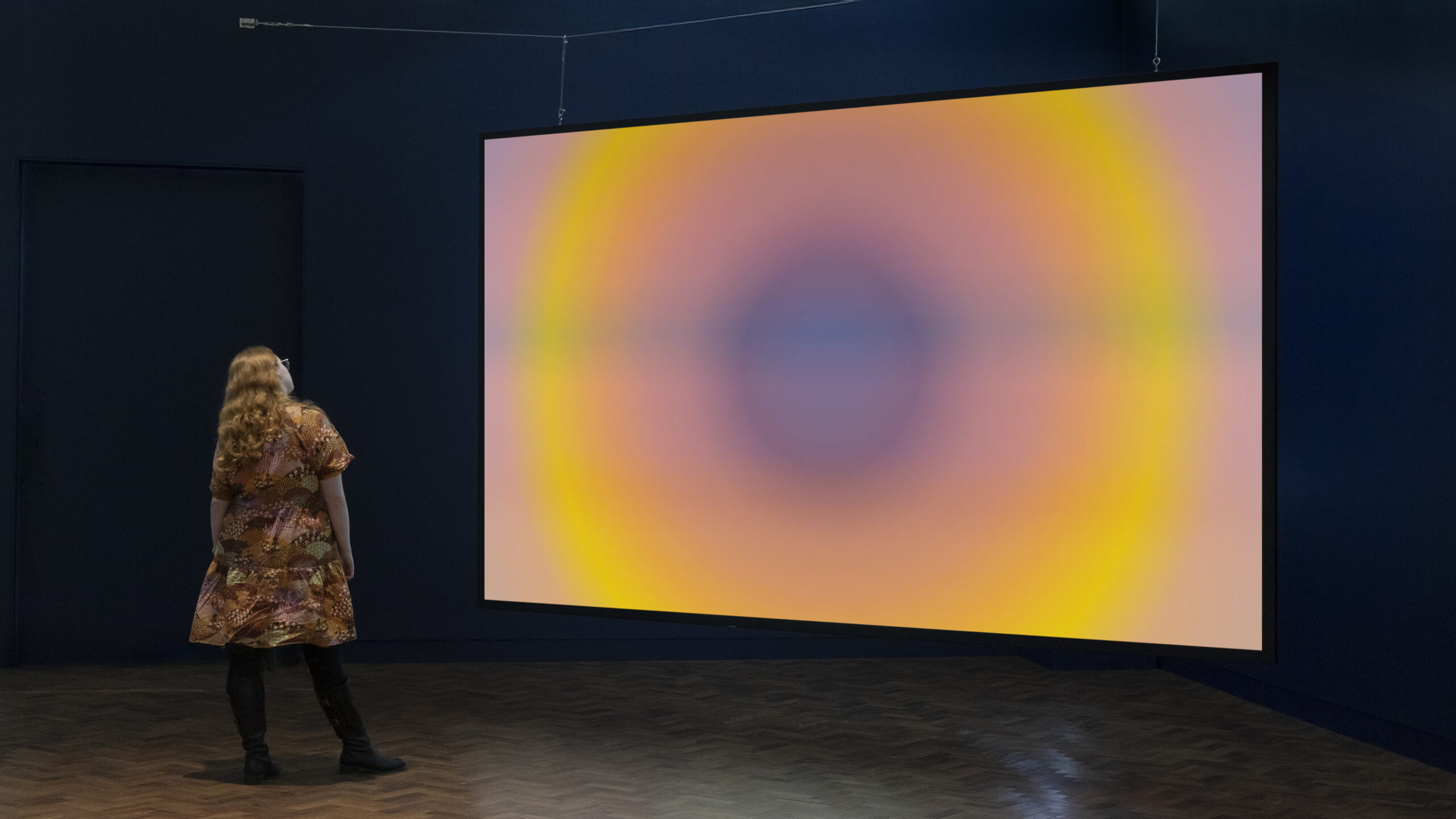
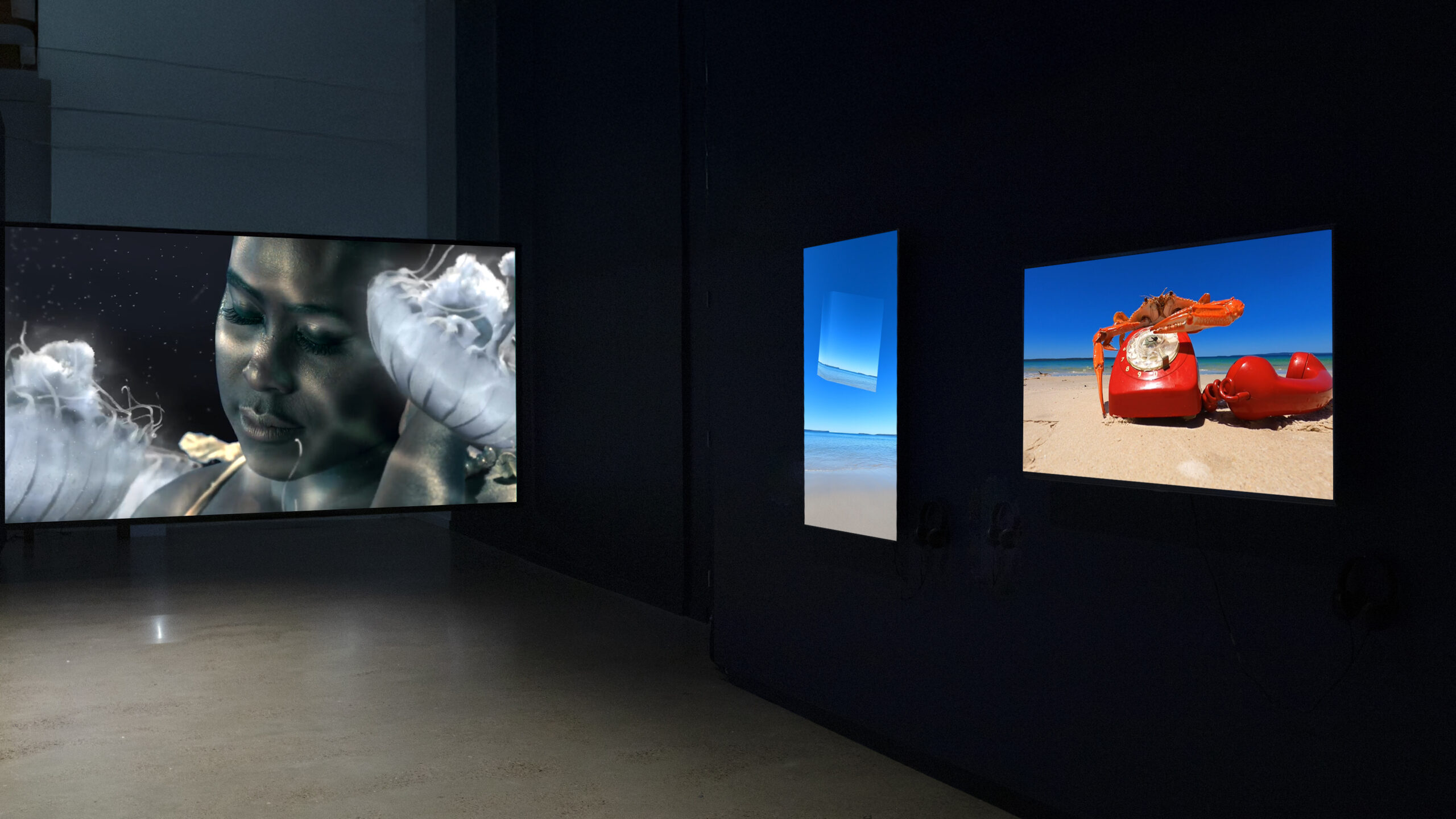
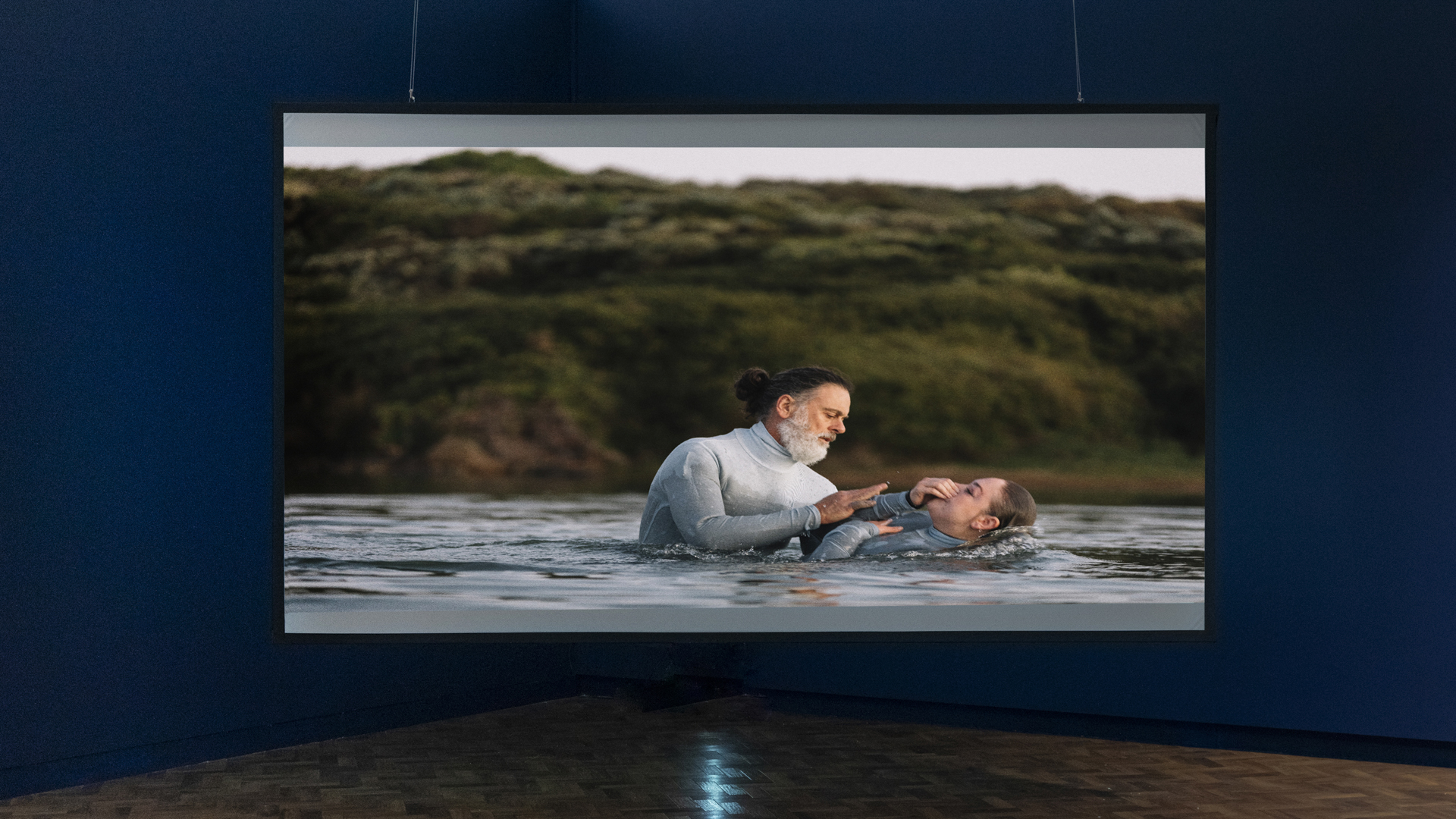
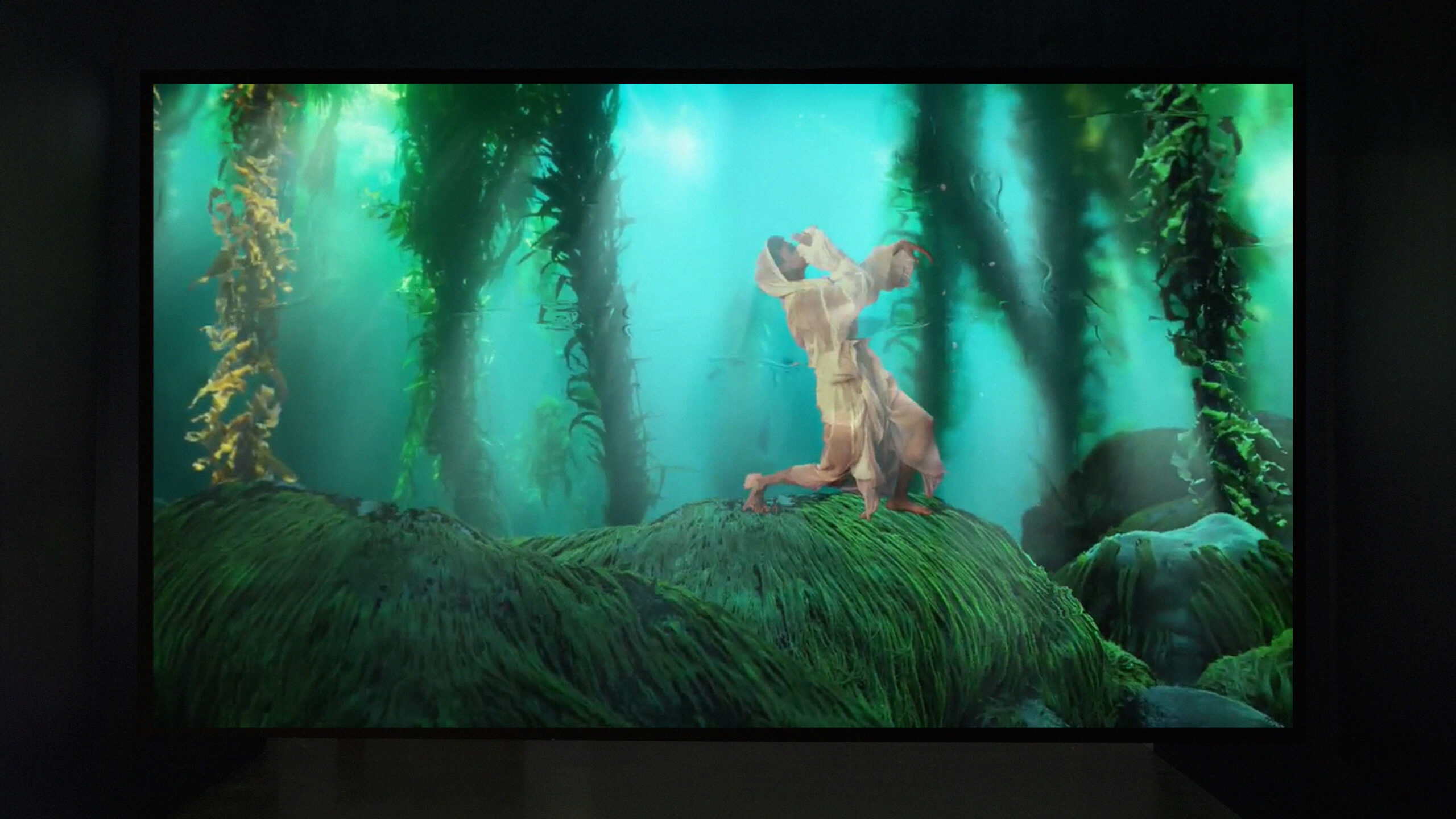
Moving has a range of access points for engagement with diverse audiences (Revive Pillar V). It brings together works by eight high calibre Australian contemporary artists and explores the dynamic intersection of water, performance and the moving image. The exhibition considers water as subject, medium and metaphor and celebrates durational works that observe water’s capacity to carry emotion, hold memory and reflect lived experience.
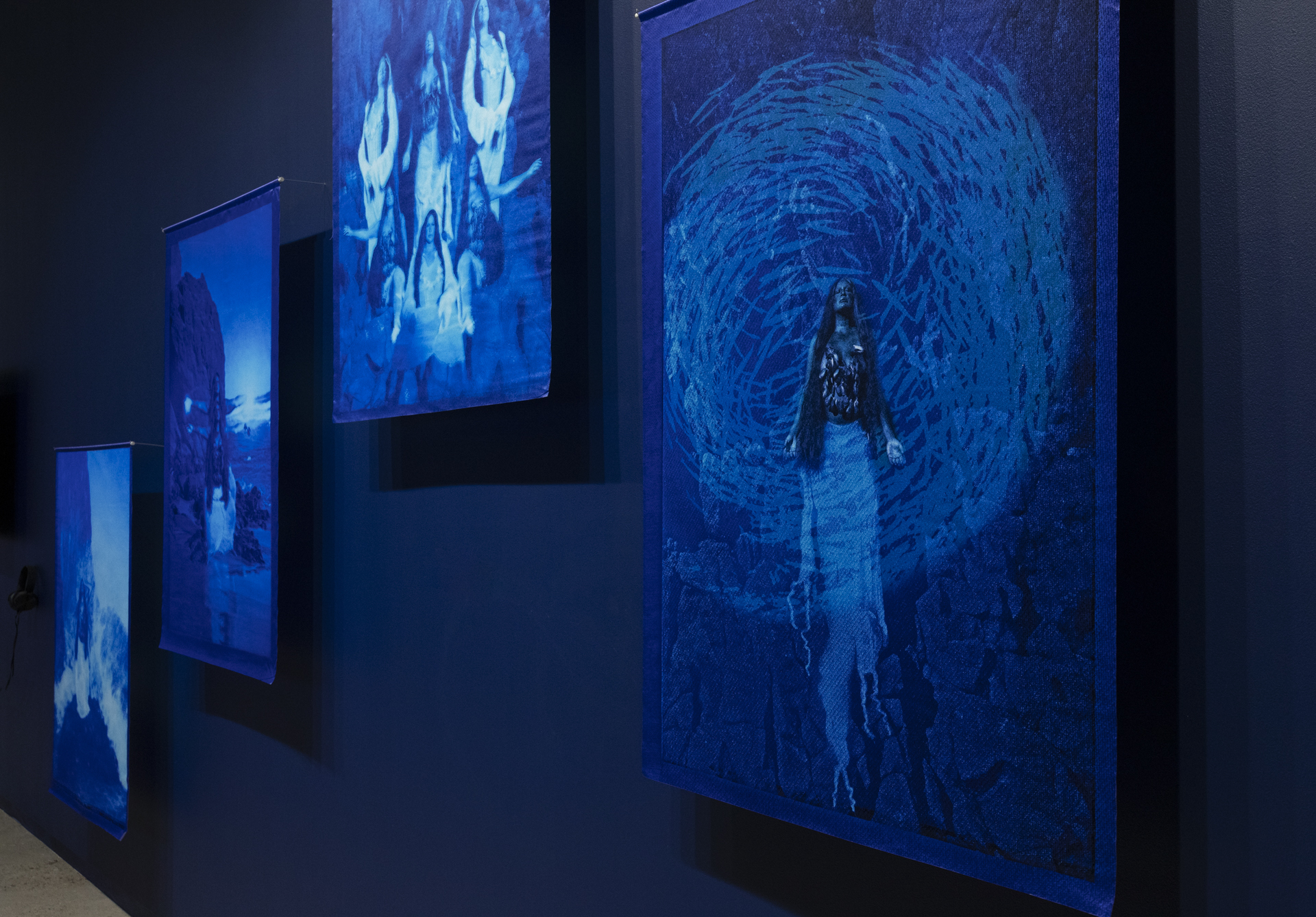
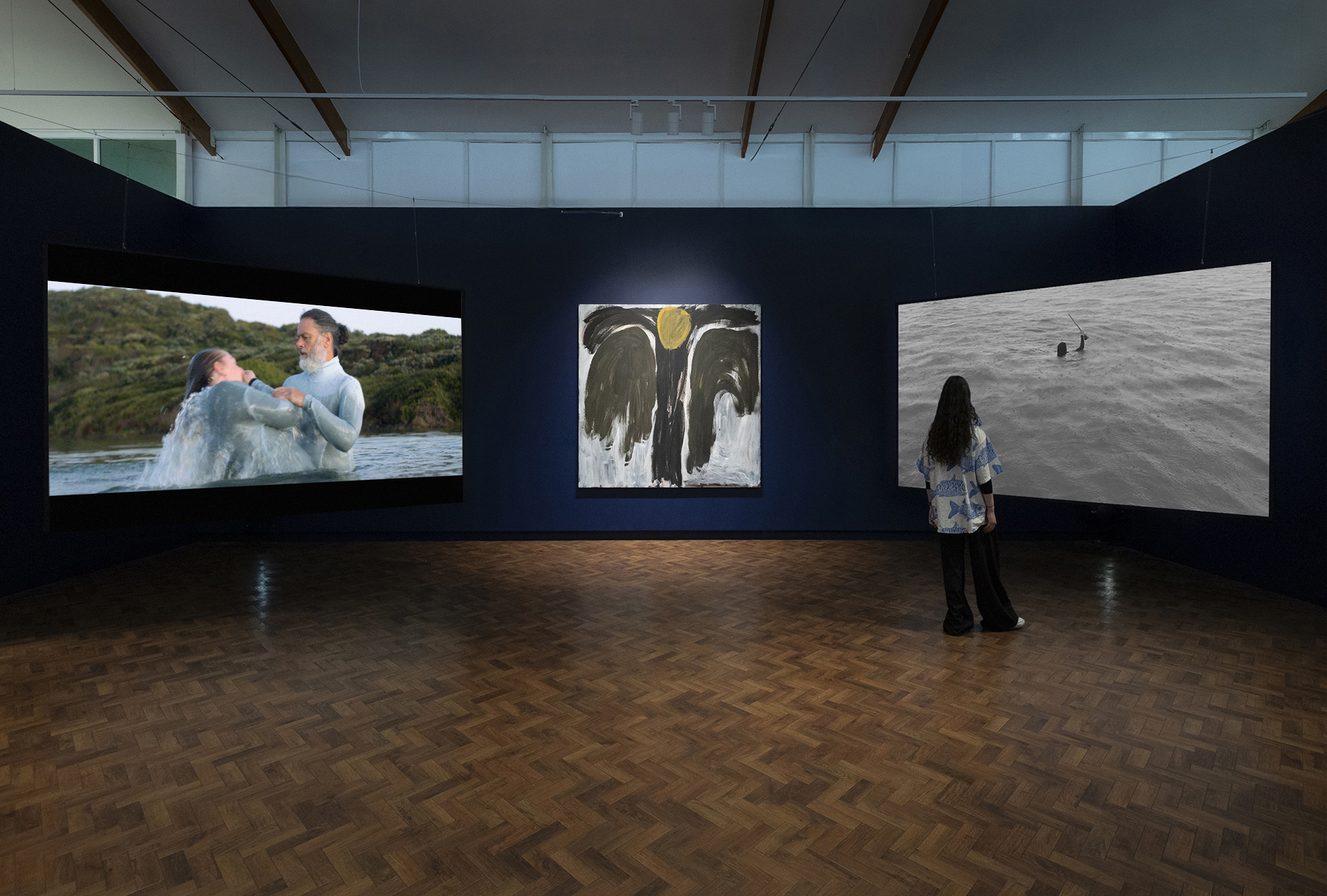
Developed and presented in Regional NSW in 2025, Moving was curated by Goulburn Regional Art Gallery Director Yvette Dal Pozzo. It incorporates multiple mediums and perspectives through the work of artists Hannah Brontë, Katthy Cavaliere, Lottie Consalvo, Dennis Golding, David Greenhalgh, Wade Marynowsky, Ida Sophia and Jodie Whalen. The exhibition presents moving image works alongside photographs, textiles and paintings that crystallise moments, distil gesture and translate meaning across media. Presented together in an immersive installation, these works allow audiences to consider how water, like time and the moving image, is both transient and persistent.
The diversity of artists and their practices represented in Moving is reflective of a broad Australian society. Incorporating perspectives and lived experiences of regional artists as well as contemporary, queer, First Nations artists voices ‘reflects the breadth of our stories’ (Revive Pillar II). Through the works and voices of Hannah Brontë (Wakka Wakka and Yaegel) and Dennis Golding (Kamilaroi/Gamilaraay and Biripi), Moving ‘recognises and respects the crucial place of First Nations stories at the centre of Australia’s arts and culture’ (Revive Pillar I). Inclusion of multiple perspectives will assist in supporting audiences from diverse communities across the proposed tour locations to connect to and engage with individual works and the exhibition as a whole (Revive Pillar V).
The exhibition will tour to eleven venues across four calendar years providing ‘long-term and sustainable’ (Revive Principle III) career benefits for the artists and curator including increased exposure and engagement across regional locations in six states. There will be additional benefits for regional venues (Revive Pillar IV) and communities, with opportunities for gallery staff and audiences to engage with the works of highly regarded contemporary artists, and the reciprocal exchange of knowledge between the artists and local communities.
Moving will tour with an Education Kit and Mediation Handbook, a range of engagement facilitation tools, and public programming scaffolds, to promote audience engagement with the themes of the exhibition.
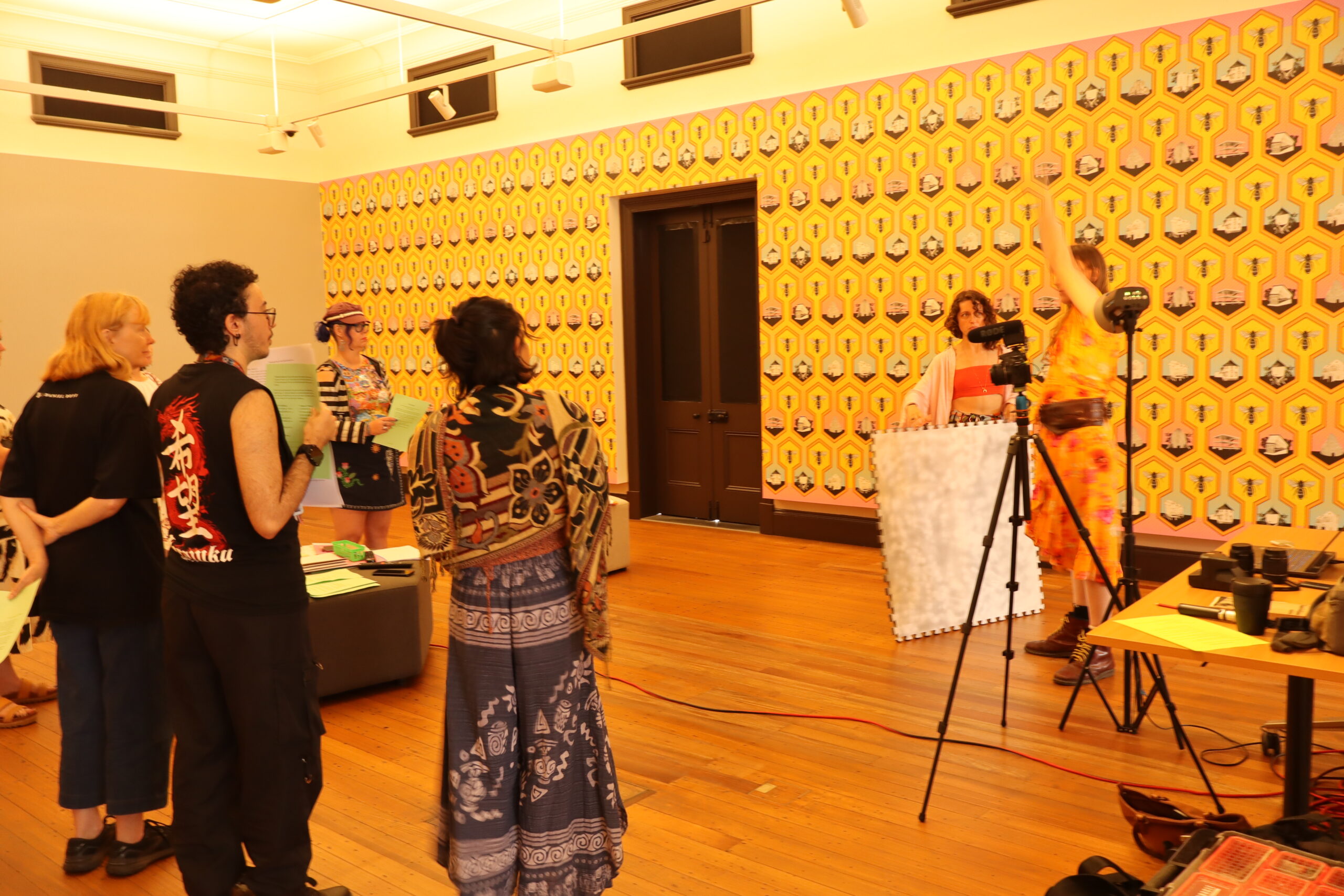
Public programming, Zanny Begg | These Stories Will Be Different, Cairns Art Gallery, 2026. Photo: Courtesy Cairns Art Gallery
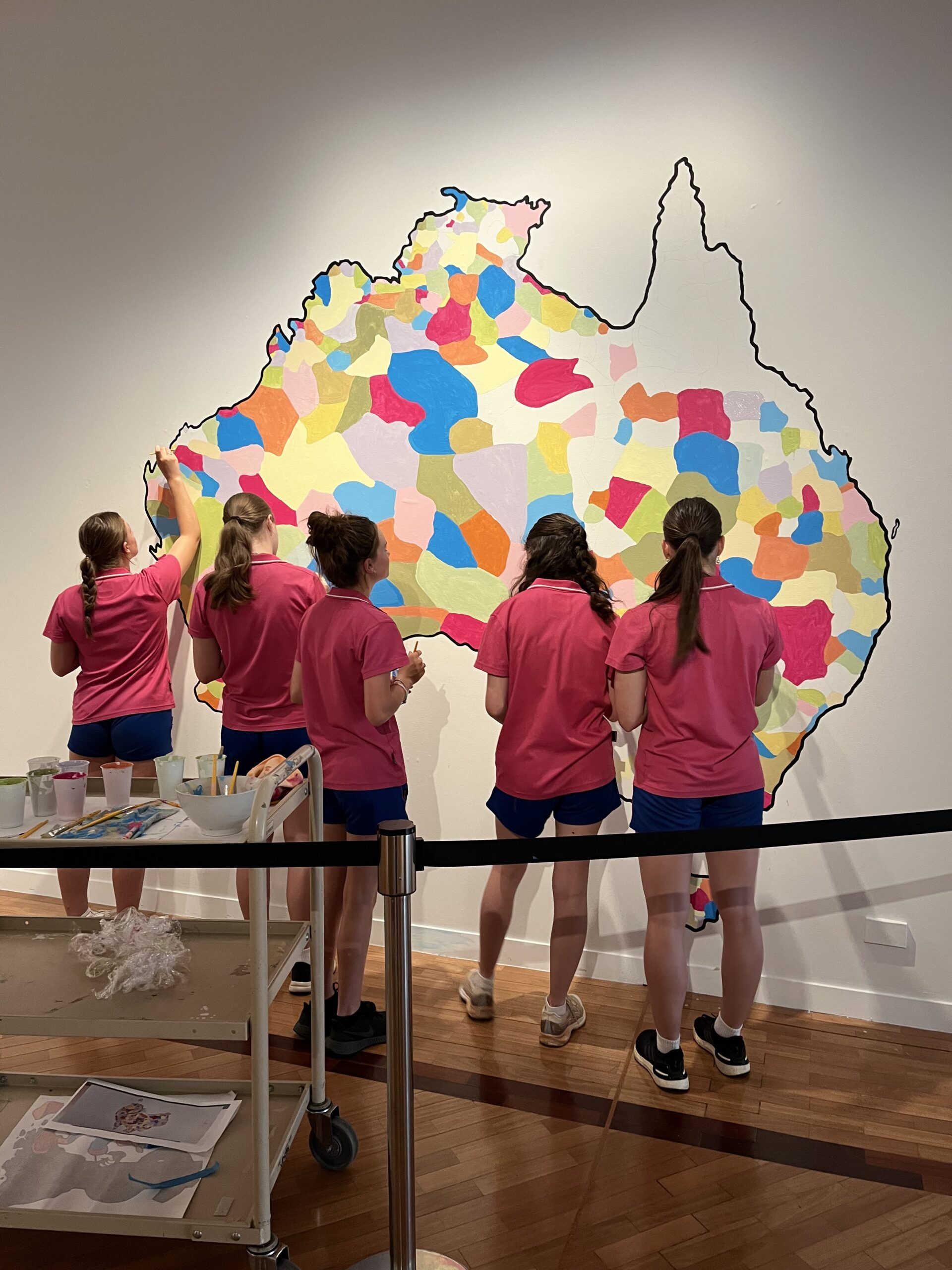
Students painting Tony Albert’s Terra Nullius (with Scrooge), OCCURRENT AFFAIR, Gosford Regional Gallery. Photo: Courtesy Gosford Regional Gallery
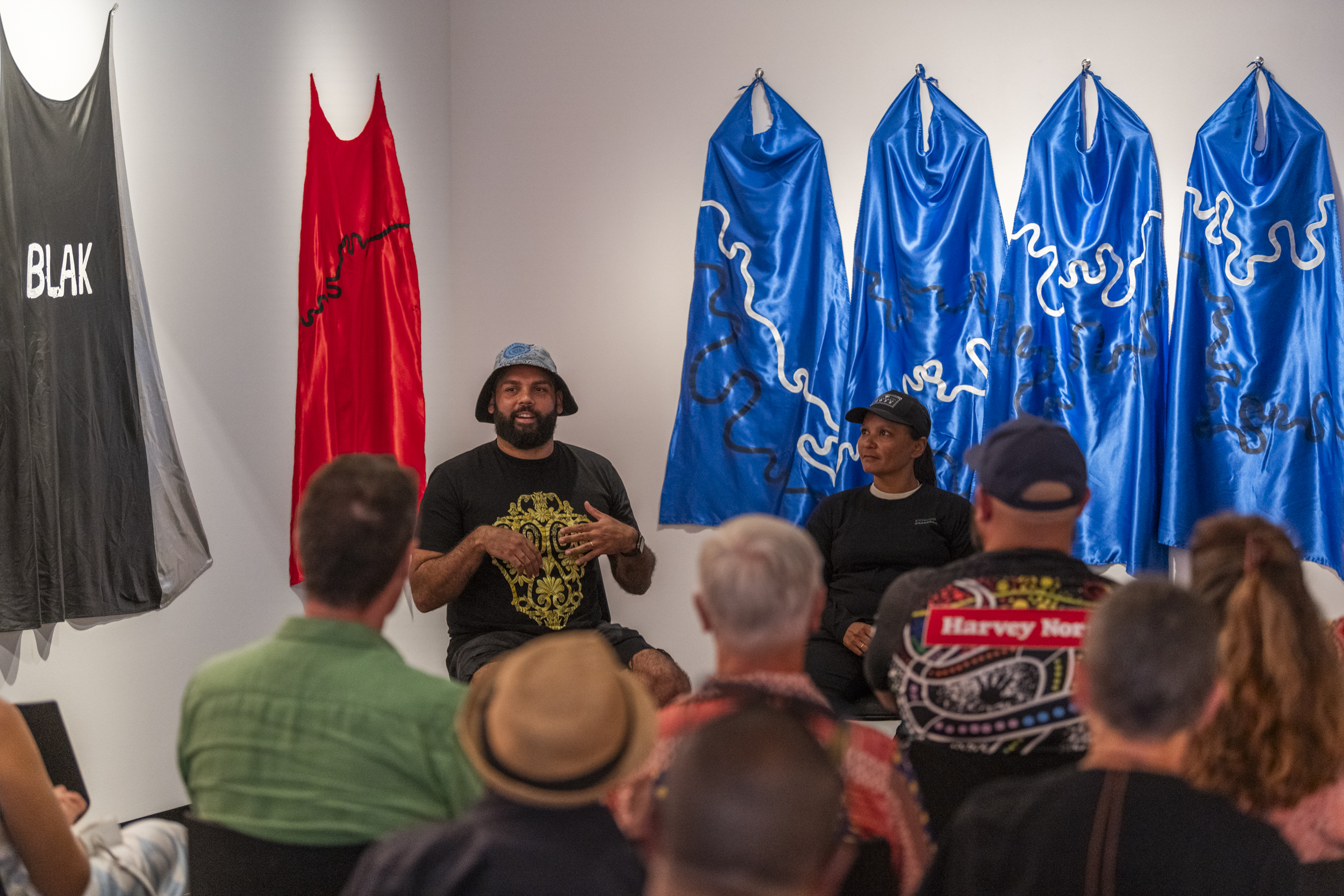
Artist Dennis Golding and Curator Kyra Kum-Sing, In Conversation, Exhibition Opening Event, POWER - The Future is Here, Grafton Regional Gallery, 2025. Photo: Courtesy Grafton Regional Gallery
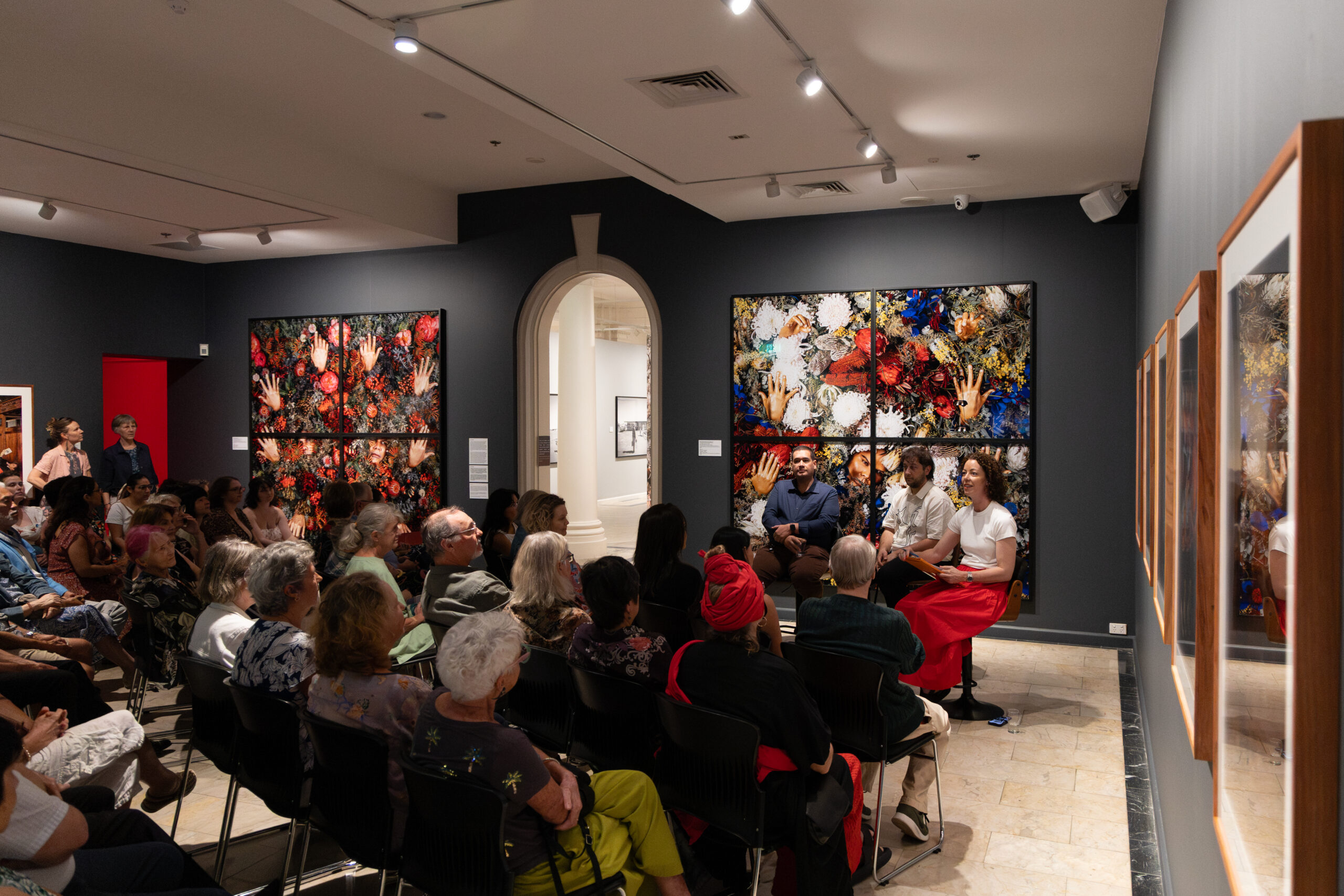
Dr Christian Thompson AO | House of Gold, Opening Event, In Conversation with curator Con Gerakaris, Cairns Art Gallery. Photo: Rachel Holliday

proppaNOW, OCCURRENT AFFAIR Education Symposium, NAS Gallery, National Art School, NSW, 2023. Photo: Jacquie Manning
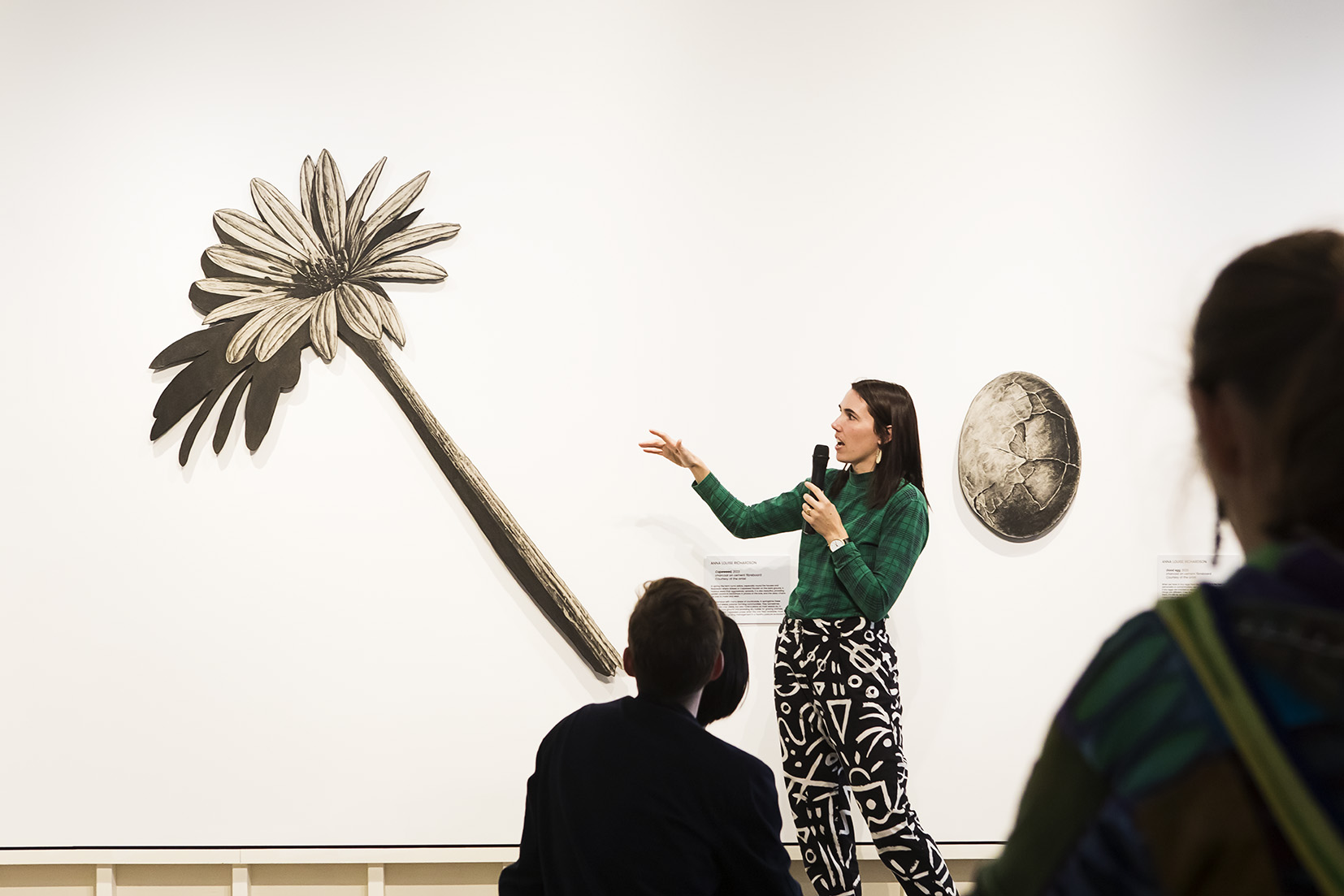
Artist Anna Louise Richardson speaking at The Good, opening event at The Condensery, QLD, 2023. Photo: Jim Filmer
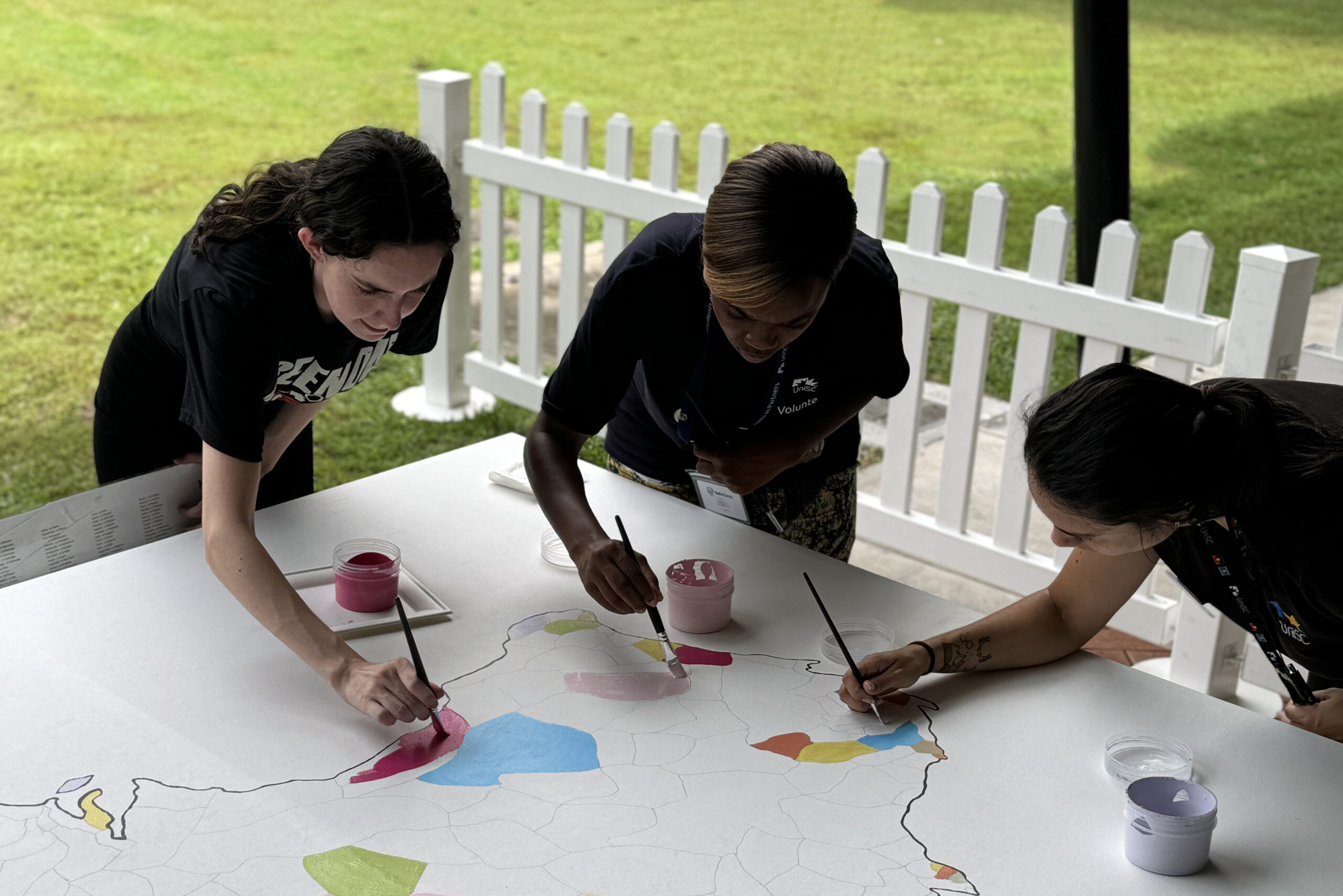
Students painting Tony Albert’s Terra Nullius (with Scrooge), University of Sunshine Coast Connect Week, OCCURRENT AFFAIR. Photo: Courtesy University of the Sunshine Coast Art Gallery
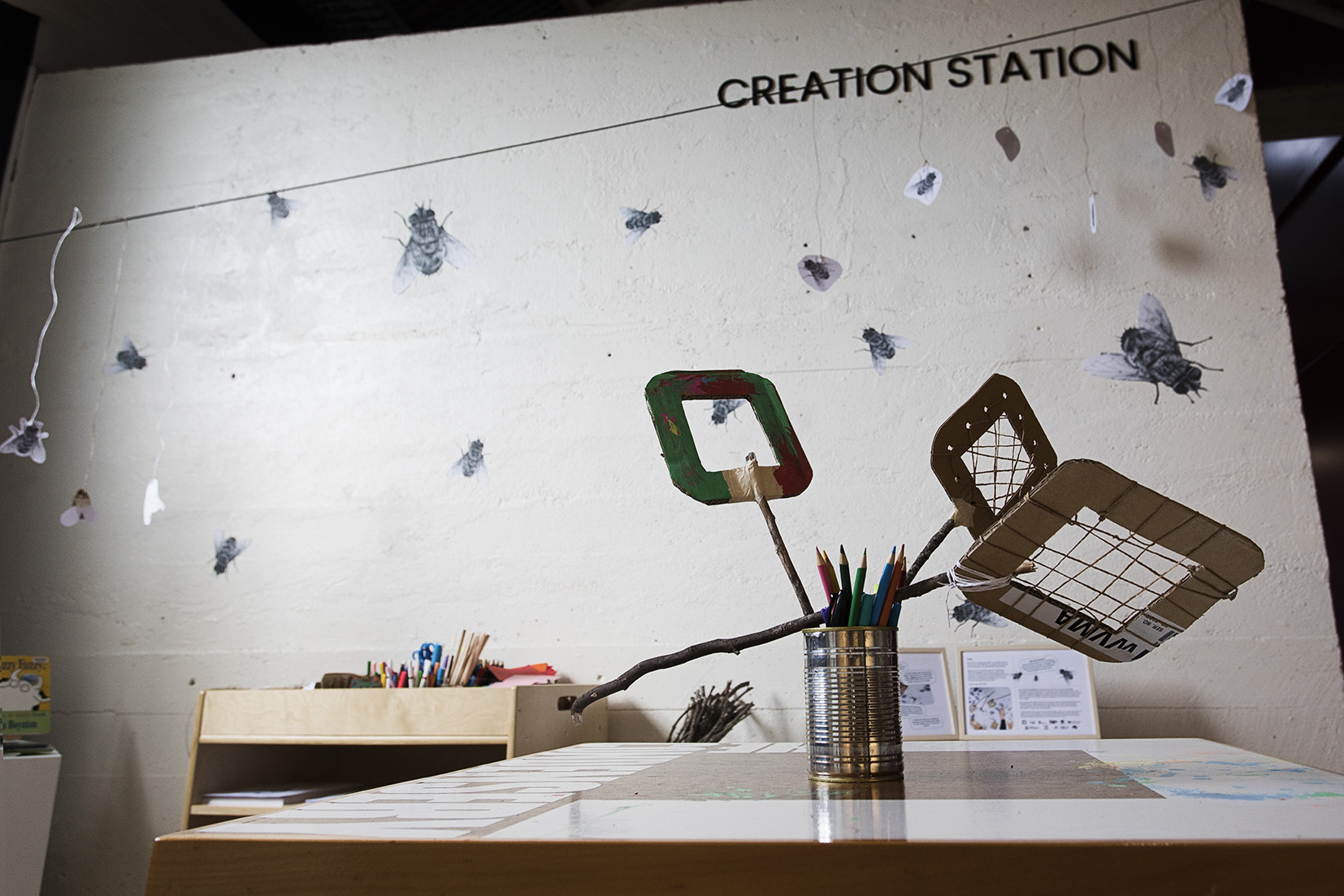
Anna Louise Richardson, The Good, Creation Station at The Condensery, QLD, 2023. Photo: Jim Filmer
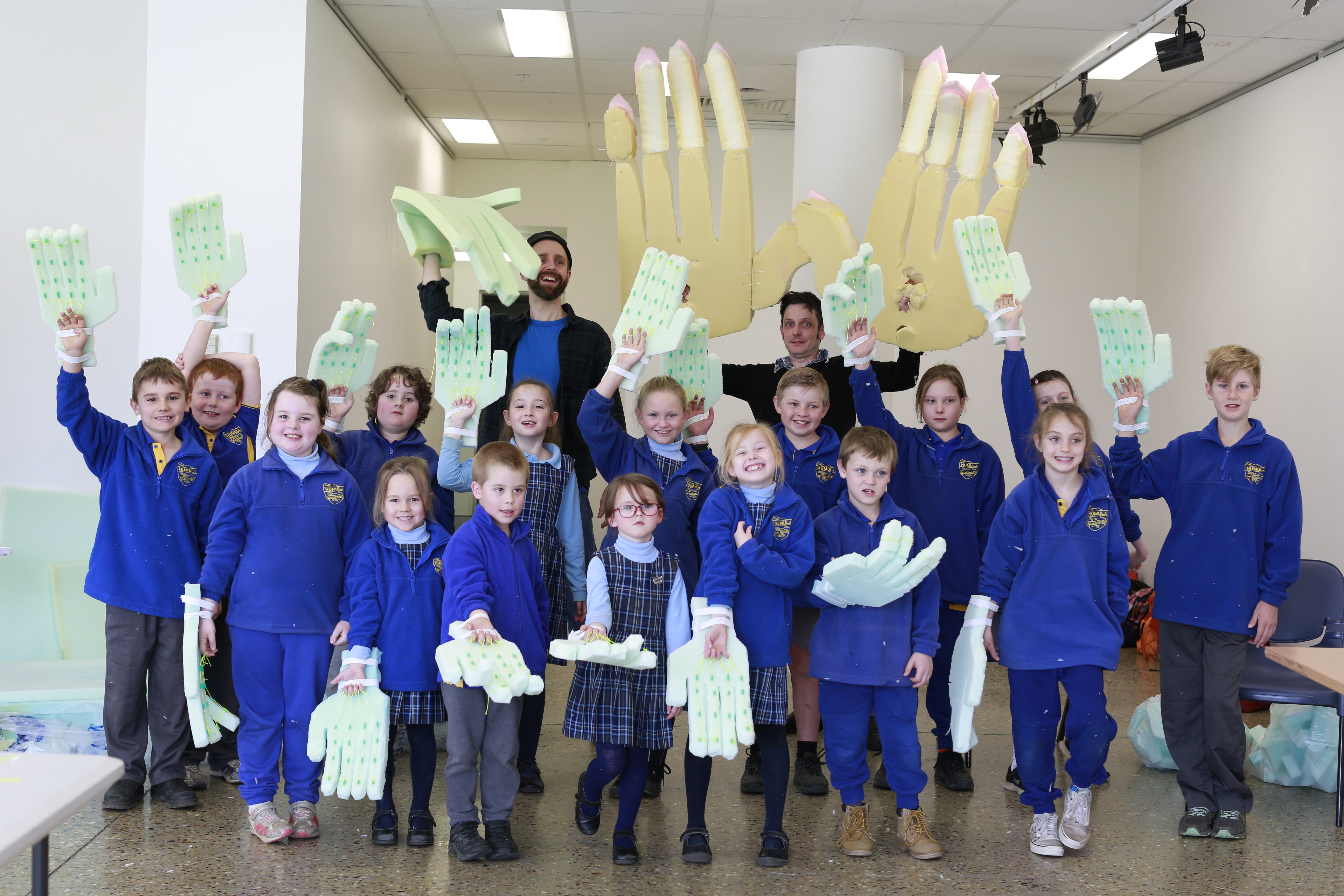
Humula Public School students take part in a workshop with Soft Core artists Tully Arnot and Simon Yates at Wagga Wagga Art Gallery. Photo: Tayla Martin
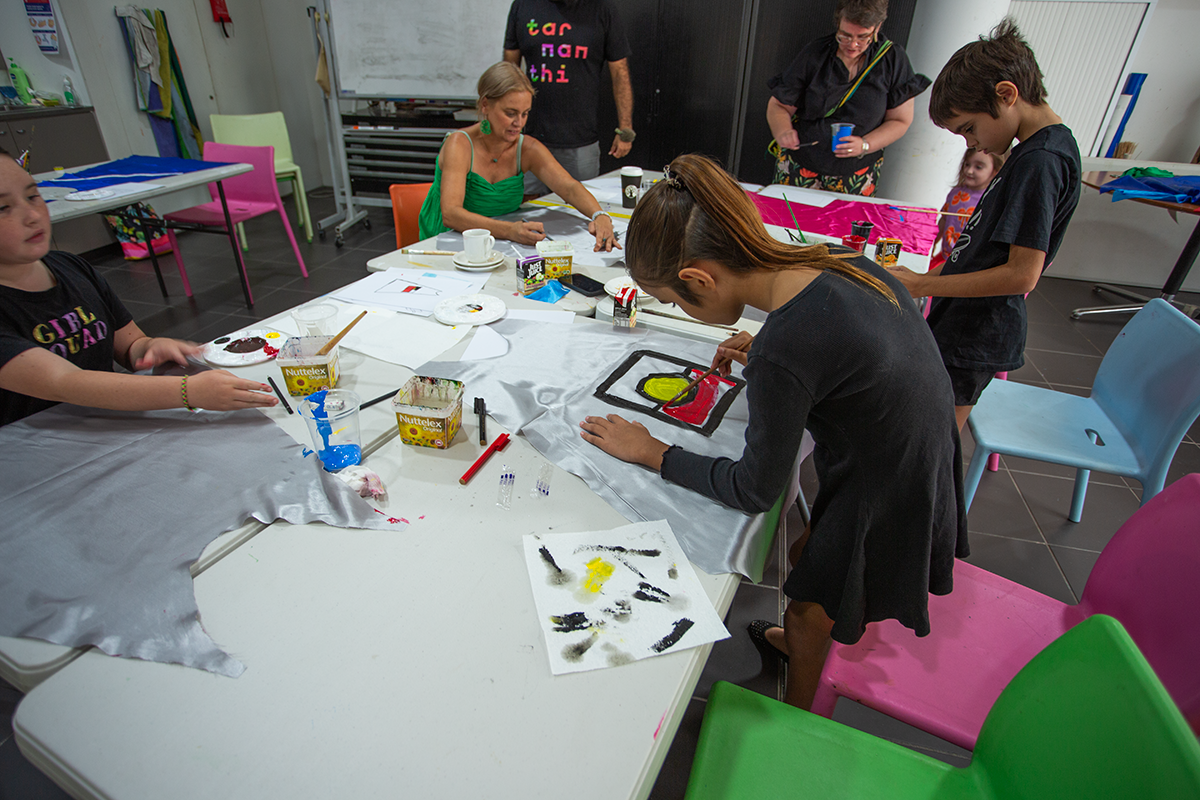
Cape making workshop with Dennis Golding, Wagga Wagga Regional Gallery, POWER -The Future is Here. Photo: Courtesy Wagga Wagga Regional Gallery.

Makers Space at Wangaratta Art Gallery's presentation of Primavera, 2025. Photo: Jeremy Weihrauch
Moving | EDUCATION AND LEARNING
All M&G NSW touring exhibitions are accompanied by an Exhibition Information Pack, which includes artwork lists, promotional details, installation guides, marketing templates, an Education Kit, Public Programming scaffold and Mediation Handbook, among other useful details to assist with a successful exhibition. These packs are modified and adapted to suit the needs of individual tours.
A Mediation Handbook will be developed for Moving utilising accessible language describing practice and exhibition themes. The handbook will incorporate information, links, further reading and suggestions to help support staff and volunteers to relate to and speak about the themes of the show with confidence. It will also include a Glossary of key terms such as: Cultural identity, Performance Art, Lived Experience, Societal Memory, Durational Work, Connection to Place, Feminist Art, Intersectionality and Colonisation.
The Education Kit will be developed by Goulburn Regional Gallery’s Education Officer as a professional development opportunity. It will offer curriculum linked educational opportunities for primary, secondary and tertiary students and teachers across the subject streams of Visual Arts, English, Visual Literacy, Geography, Creative Writing, Environmental Science, Drama and Society and Culture.
The Education Kit will provide opportunities for teaching staff to ensure that students ‘receive an education that includes culture, creativity, humanities and the arts’ (Revive Principle IV). It will invite critical and creative engagement with the exhibition and artists’ practices with a focus on water and its links with the human experience through an exploration of rituals, feelings, connections, identity and grief. The Education Kit will offer activity-based learning experiences that involve drawing, listening, collage, design, assemblage, storytelling, writing, performance, painting and printing.
For tertiary or senior high school student visiting the exhibition, there could be a scaffold for focusing on the evolution and history of video and performance-based art; prominent Australian video performance artists such as David Rosetzky and Drew Pettifer; links with early collectors such as the National Gallery of Victoria; links with international artistic movements and institutions; and Australian academic platforms for this artform such as Monash University and RMIT University.
The following links are some recent examples of Education Kits and Mediation Handbooks below:
Moving | ENGAGEMENT TOOLS
To promote audience engagement with the stories and themes of the exhibition as well as the key REVIVE pillar of ‘making sure our stories connect with people at home and abroad’ (Revive Pillar V), a range of engagement tools will accompany Moving. These tools will allow audiences to connect both within the Gallery spaces and beyond, across multiple mediums, addressing the REVIVE principle that ‘Australian stories are seen and heard, regardless of platform’ (Revive Principle VIII).
These resources aim to broaden the possibility for connection with multiple audience segments and include:
- A video resource – this would include artist interviews undertaken by Curator Yvette Dal Pozzo, to provide descriptive and creative insights into the themes of the show and the works on display. It will be available for venues to use in the gallery and online and will also include transcripts of the audio to increase access.
- Room Sheet – this would be a specifically designed free room sheet available for audiences to take away, including images of the show and longer form text or an essay.
- Accessible Audio Tour by an Audio Description Specialist, available via QR codes in-gallery and online.
- Accessible Content with large font labels.
- Venue appropriate bespoke cultural engagement linking with local First Nations communities and histories as well as voices from varied cultural and societal perspectives.
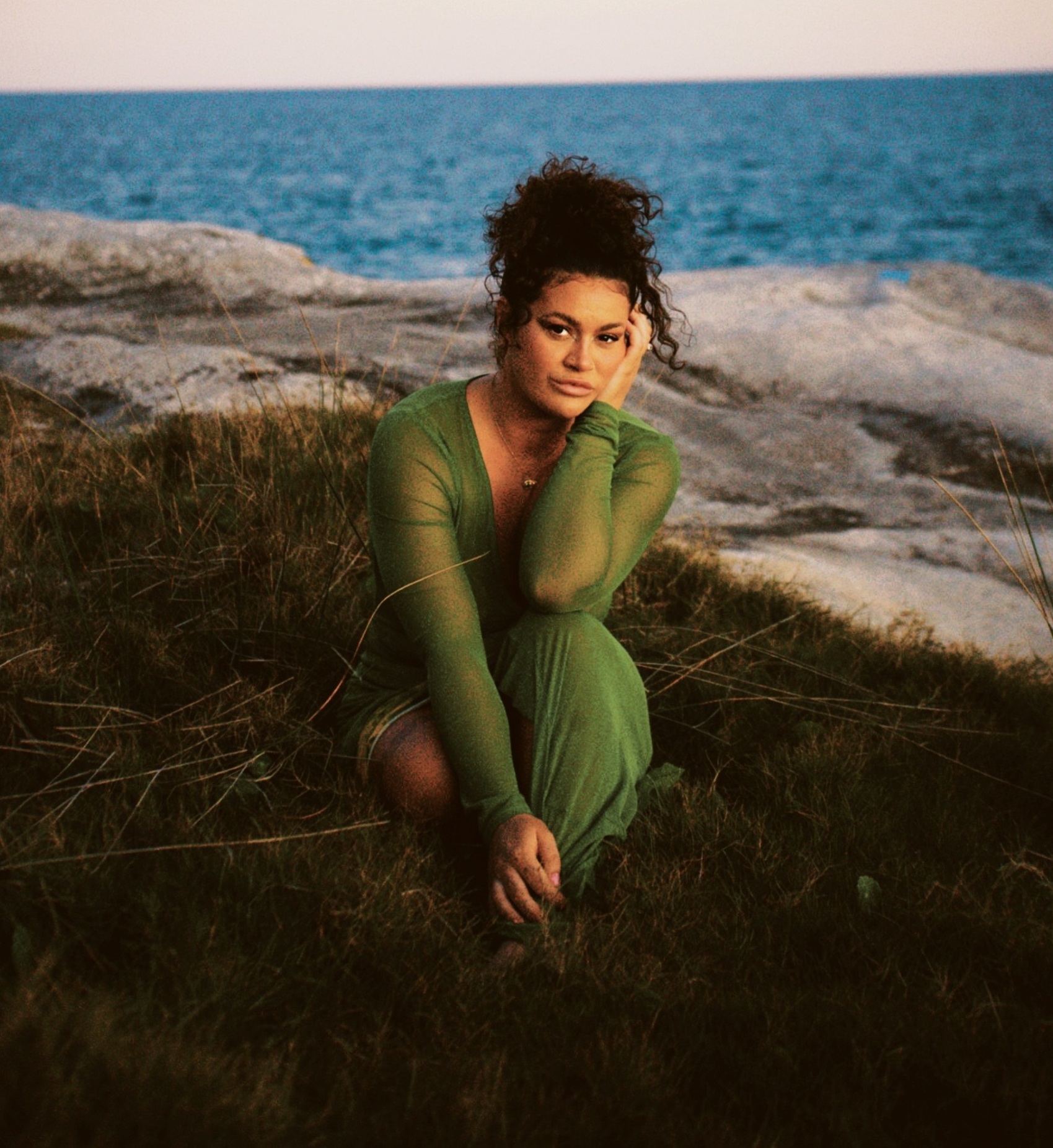
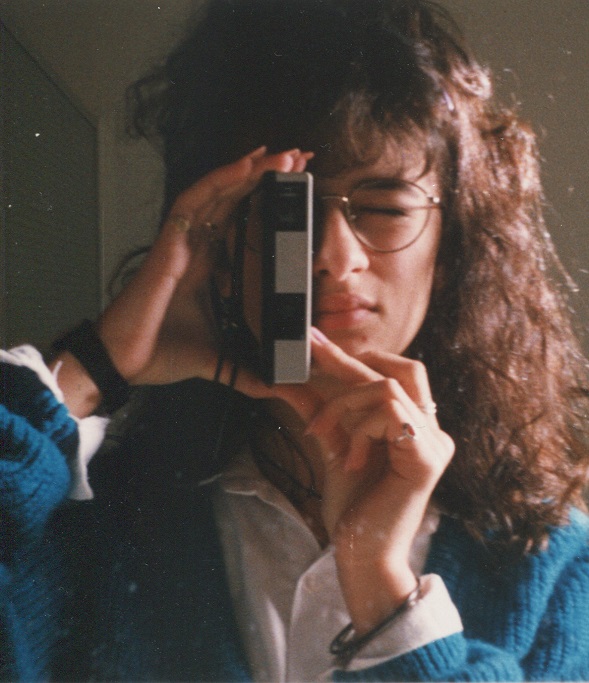
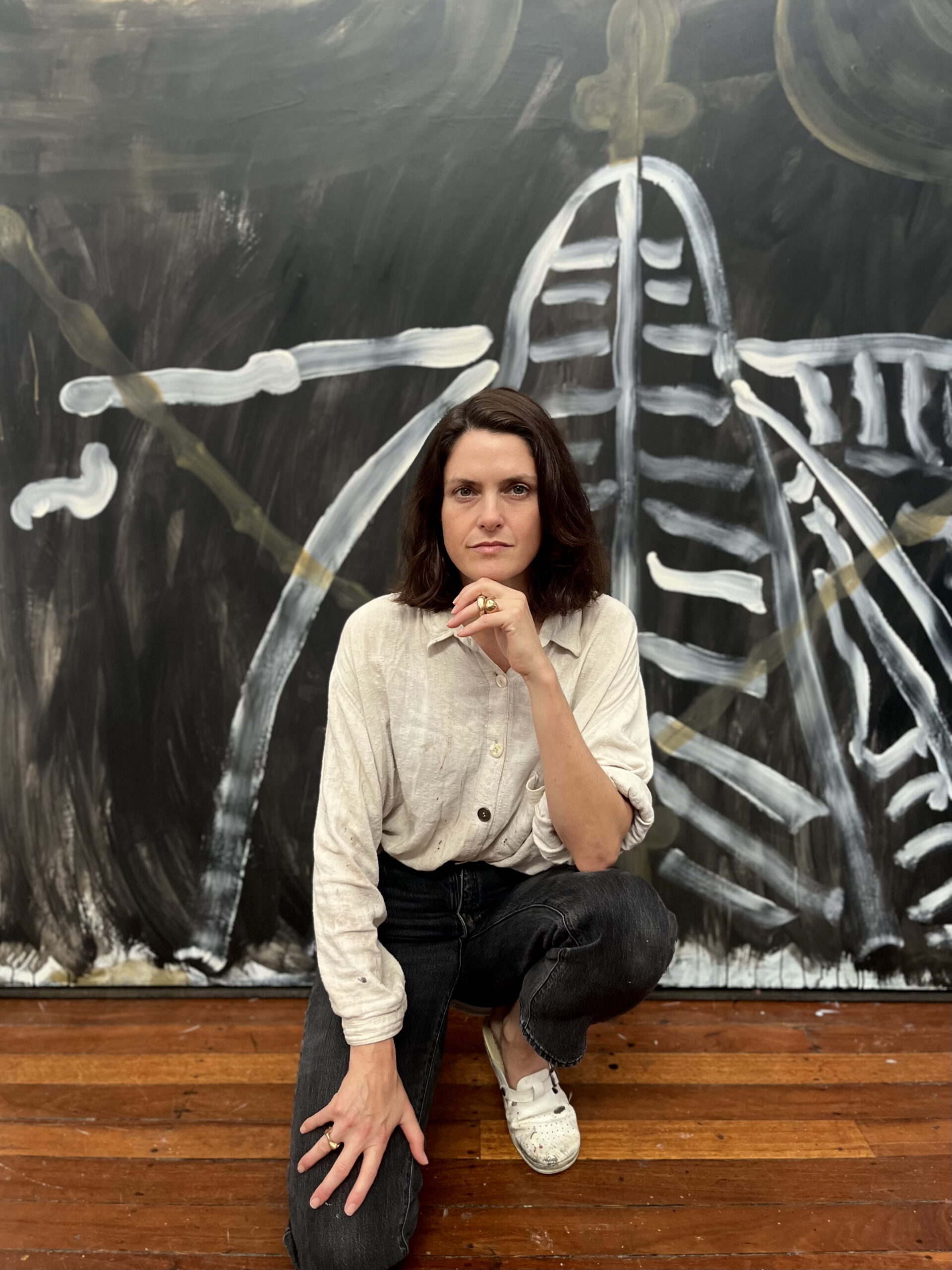
‘For our team, involvement in the tour supports valuable professional development. This spans audiovisual troubleshooting and installation, education kit development, visiting host gallery sites, curatorial liaison, and public speaking.’
‘We get asked often as artists to make new work to fit a curatorial theme which often doesn’t have a direct through line with what we are exploring in our own work at that time. This group show, allowed all artists to continue their naturally gravitating threads of work… Since Covid I haven’t been in any touring exhibitions due to budget constraints on galleries so it would be lovely to have my work explored around the country in one succinct show… I have lived regionally and the importance of a show that comes to your small town is also very important.’
‘The concepts explored in Moving offer multiple points of connection for visitors, inviting reflection on personal journeys, changing environments, community identity and experiences of place. We anticipate the exhibition will resonate strongly with local audiences and stimulate meaningful conversations across generations.’
‘I’m grateful to exhibit alongside such strong artists, each finding their own way into ideas of memory and everyday life that link our work together. I hope audiences will see something of themselves in the work, whether through a sense of place, movement or the objects we live with. With my family’s Country being Biripi on the Mid North Coast and Kamilaroi/Gamilaraay in the Northwest of NSW, it means a lot that the tour will pass close to home so my communities can experience it.’
‘At the core of my practice is the belief that what is most personal is most universal, and the chance for Witness (2022) to reach such a diverse audience honours that belief. I feel lucky that such a personal work will be shared so broadly beside the works of my peers. Together, I hope they can become vital mirrors to the interior lives of those who encounter them, prompting a moment of pause, of reflection, and maybe even a call to be like water, to keep moving.’
‘Hosting Moving would provide a valuable opportunity for our audiences to engage more deeply with our relationship with water in both marine and freshwater contexts, with many of our community members invested in conservation, environmental sustainability and the ongoing care of Country. The exhibition’s focus on contemporary time-based media would also offer an engaging platform through which audiences can reflect on these issues while experiencing innovative contemporary artistic practice.’
‘Exhibiting in public galleries across Australia is a wonderful way to share my practice and have greater reach to audiences who then continue to follow my practice… it is wonderful being curated into exhibitions with artists I have not exhibited with before and to see the connections drawn between us. This can change the context of an artist’s work and diversifies conversations around our practices. I am always grateful for opportunities like this and enjoy the process.’
‘We are particularly supportive of the opportunities for learning and public engagement accompanying the exhibition. The proposed Education Kit and Mediation Resource, together with the potential for artist-led workshops, curator and artist talks, multisensory experiences, secondary school engagement and creative activities for children, would allow Burnie Arts to develop a program that extends beyond the gallery and encourages deeper engagement with the ideas and practices presented in Moving.’
‘Moving is such a timely exhibition, as water and belonging are significant to all Australians, as attested by the diverse range of practices that the show profiles. The opportunity to have this exhibition tour and to have my practice reach new audiences greatly assists and sustains my professional practice at this moment in my career. It is particularly affecting to consider that the exhibition may tour to Tweed Regional Gallery in my hometown of Murwillumbah, as this is where I first experienced art as a child and the town and surrounding material environment of Murwillumbah still deeply inform my practice’.
Moving | PUBLIC PROGRAMMING
Public programming at tour venues will provide broad opportunities for ‘all Australians, regardless of language, literacy, geography, age or education’ to ‘access and participate in arts and culture’ (Revive Principle II).
Moving offers venues and their audiences’ opportunities to connect with the work of high-calibre artists, and deeply engage with the ideas and practices presented. The exhibition includes a range of contemporary themes that will appeal to broad audiences. Although the overriding theme is water – as subject medium and metaphor – the exhibition also connects water to memory, emotion, performance, human perception, renewal, rituals and identity. Key themes can be further expanded to include a range of prompts for future public programming:
- Water – human psychological and physical relationship; capacity to heal, erode, propel; transience and persistence; physicality such as rain, droplets, floods, drips, rivers, ripples, oceans, lakes, flow
- Memory – sentimental attachments, collecting, connection to place, societal memory
- Emotion – feelings, grief, pride, longing
- Performance – body, presence, voice, gesture, communication, time, duration, space, audience
- Human perception – sensory, language, translation, sound, listening, rhythm
- Renewal – birth, healing, nature, cycles, pregnancy
- Rituals – religious, cultural, personal
- Identity – cultural strength, superheros, symbols, First Nations identity, Queer identity, cultural identity, feminism
These themes and subthemes are a great starting point for developing public programming ideas and relating them to the issues, interests and histories of local communities.
The wide range of artist’s practices and skills further enhances the possibilities for public programming. Moving incorporates photography, film making, animation, textiles and painting. Workshops utilising these mediums could be a public programming focus for venues – either led by the featured artists or local artists working with these mediums. The artists themselves also have particular skills: David Greenhalgh is an experienced presenter as well as a curator; Jodie Whalen is an educator and animator; Lotte Consalvo and Ida Sophia specialise in performance; Hannah Bronte works with textiles, video and performance, political banner art and is also a DJ; Wade Marynowsky is inventive, works in robotics and is a university lecturer; Dennis Golding has experience running children’s cape making workshops, particularly for First Nations Children and is also a mural artist.
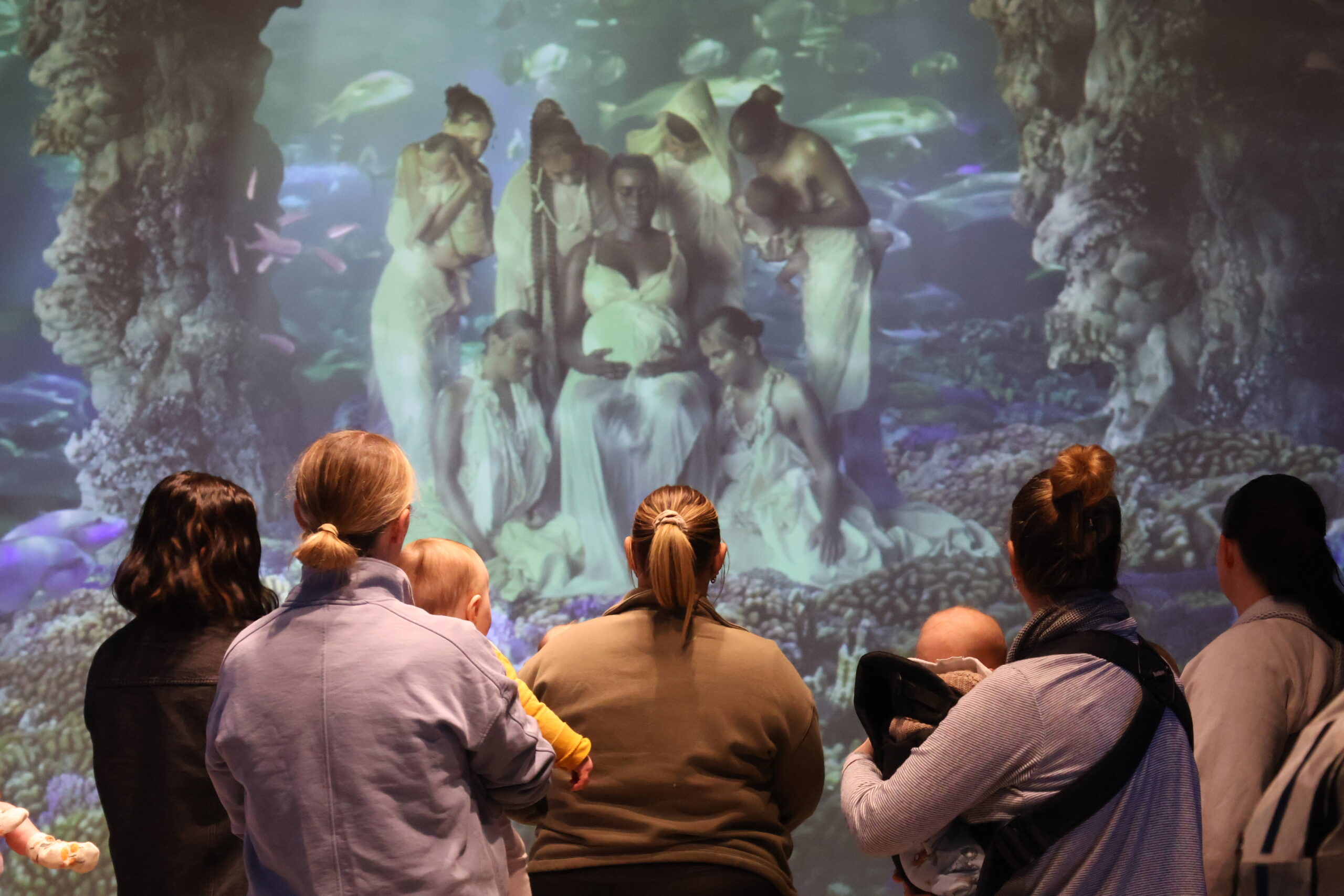
'Look Baby' Public Program, with Hannah Brontë, EYE HEAR U MAGIK (detail), 2020, Moving exhibition, Goulburn Regional Art Gallery, 2025. Photo: courtesy Goulburn Regional Art Gallery.
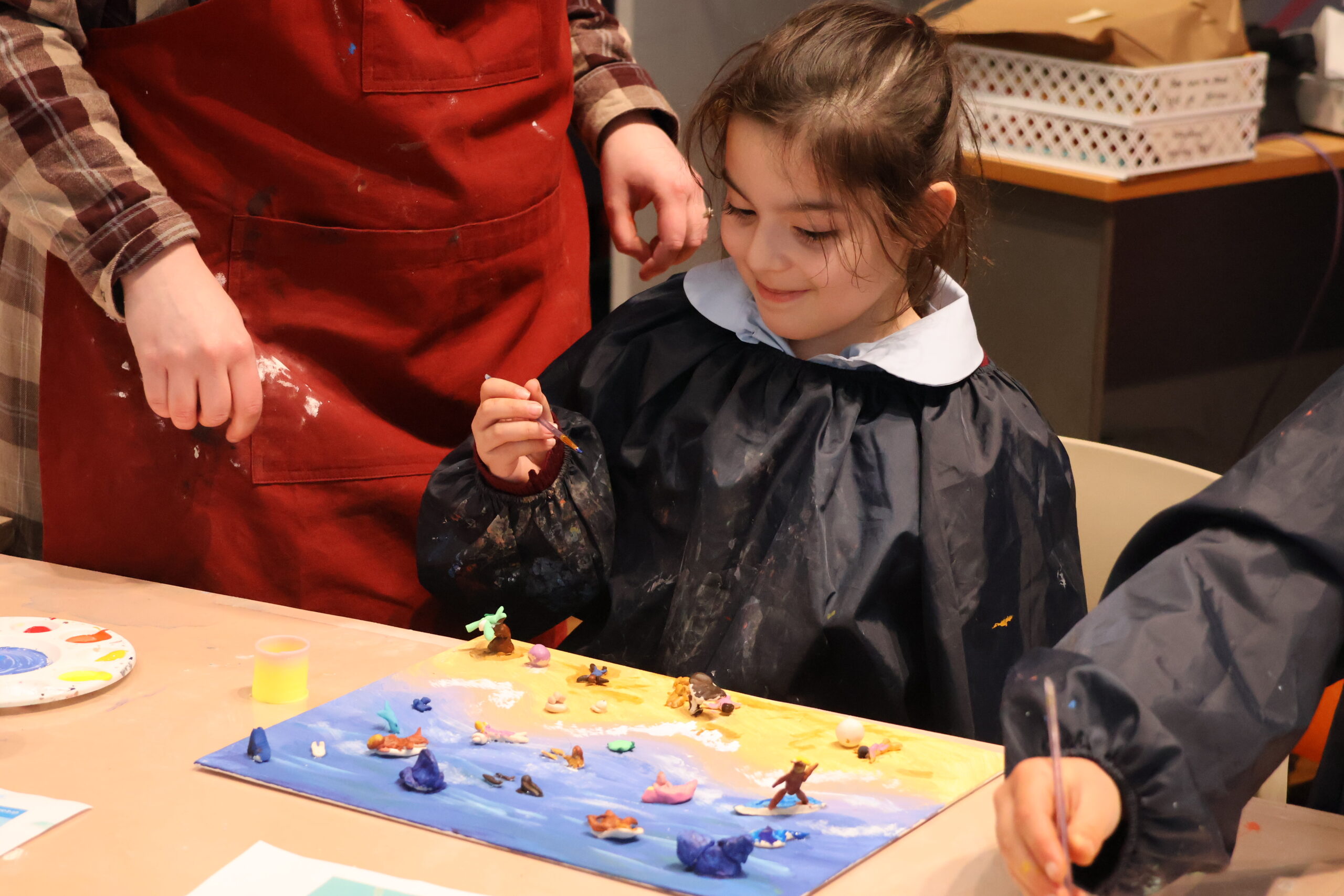
'Afternoon Art Club - 3D Beach Scenes' Public Program, Moving exhibition, Goulburn Regional Art Gallery, 2025. Photo: courtesy Goulburn Regional Art Gallery.
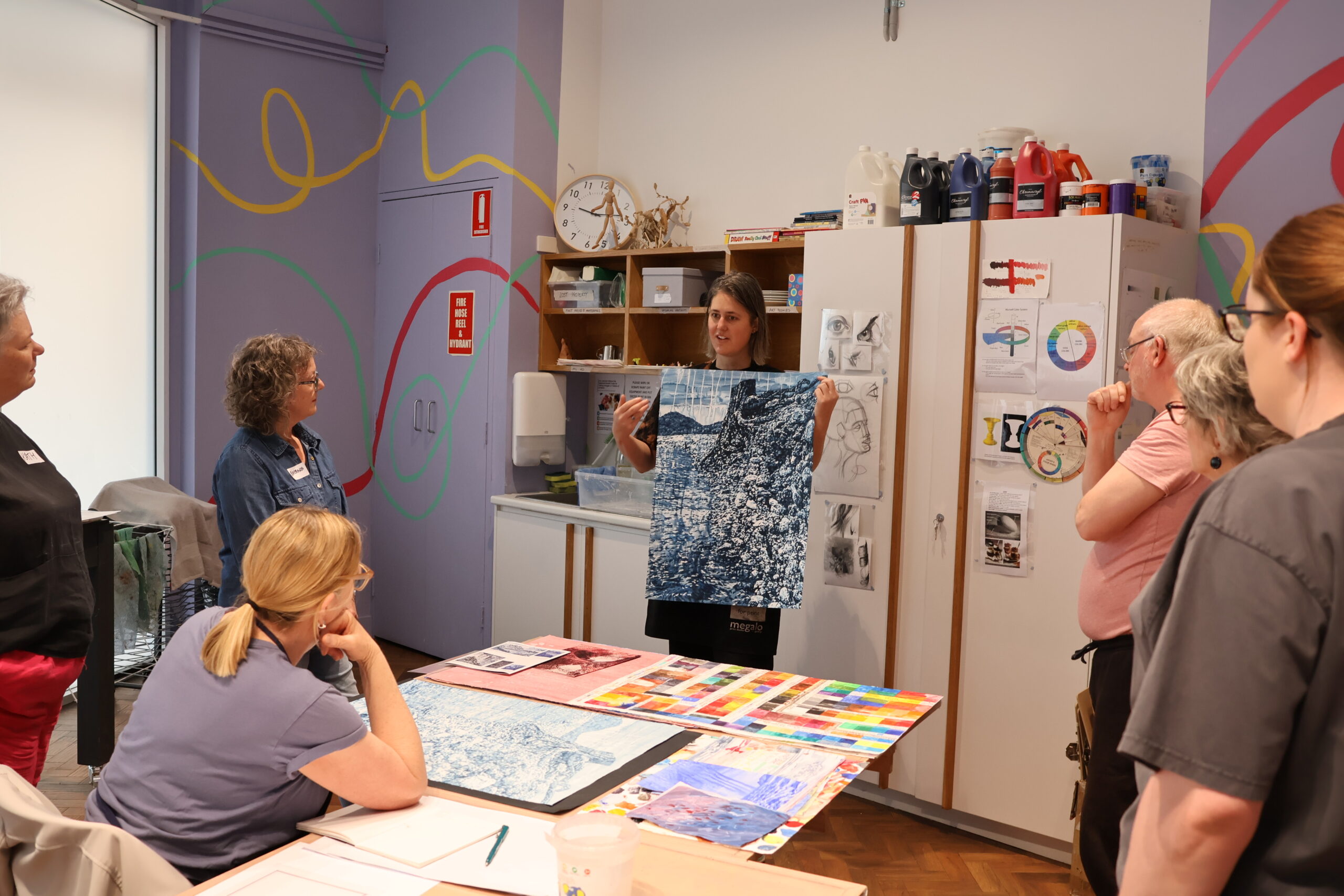
'Annika Romeyn Monotype Waterscapes printing workshop' Public Program, Moving exhibition, Goulburn Regional Art Gallery, 2025. Photo: courtesy Goulburn Regional Art Gallery.
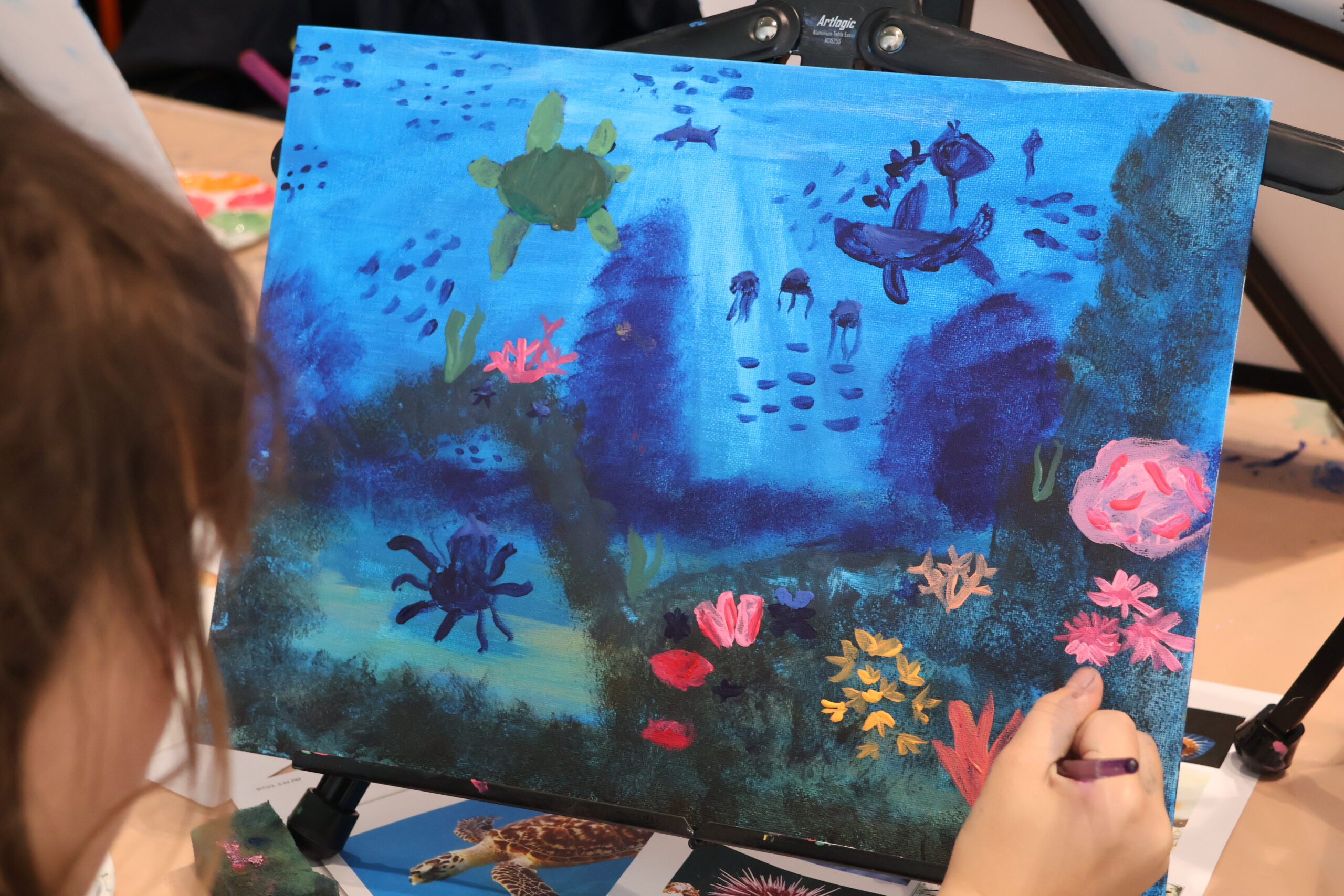
'Scuba Dive in Paint' holiday workshop, Public Program, Moving exhibition, Goulburn Regional Art Gallery, 2025. Photo: courtesy Goulburn Regional Art Gallery.
Moving | ENGAGING WITH AUDIENCES
M&G NSW works with venues to develop public programs tailored to their audiences and needs. Moving lends itself to rich programming opportunities and engagement with communities interested in multisensory tours and workshops, talks, art experiences for disability groups, artist-led making activities, animation and film making experiences, all powerful ways to bring audiences into the gallery and to build social cohesion and community ownership of cultural spaces such as regional and public galleries. Some examples of public programs to engage with differing target audiences might include:
Early Childhood
- Sponge jellyfish with tentacles made by blowing watercolour droplets with a straw
- 3D collage fish tank fridge magnets with an ocean themed story time
- Parent/carer baby tour of Moving followed by sensory play and gallery tummy time
- Baby footprints transformed into fish illustrations
- Outdoor sensory splashing/bubble blowing for babies inspired by Ida Sophia
- Rainy-day scene spray bottle painting for toddlers and their carers inspired by David Greenhalgh
Primary School Age
- 3D beach scenes – canvas beach base, acrylic paint and polymer clay people, animals and objects
- Scuba Dive in Paint workshop – underwater scenes
- Cape making with Dennis Golding
- First Nations artist-led or Elder-led environmental sustainability workshop – Caring for Country
Multisensory tours for early childhood/primary Disability Groups
- Sensory liquid floor tile in front of Whalen’s work
- Ring a bell in front of Consalvo’s work
- Squish kinetic sand in zip lock bags in front of Bronte’s work
- Inspired by Marynowsky’s work – create underwater creatures using plasticine and seashells
Video Art Experience for Secondary Schools – featuring artist Jodie Whelan
- Critical analysis of work and Q&A with Jodie Whelan
- Footage and Sound Scavenger Hunt in small groups (students to collect snippets of footage and sound in outdoor environment)
- Group footage and sound edit – focus on layering using free downloadable software such as CapCut or iMovie
- View and review of works – peer, staff and Whalen feedback to students – what is interesting and successful within each work?
Adults and Teenagers
- Charcoal drawing activity inspired by water e.g. expressive crashing waves, realistic glossy water droplets.
- Guest artist – watercolour monotype printing
- Decorate your own t-shirt inspired by Katthy Cavaliere
- Film and animation workshops
- Explore community identity and connection to place through found objects
Moving | TOUR VENUES AND REACH
Moving | TOURING OUTCOMES AND IMPACT
For each of our tours we produce comprehensive reporting for artists, funders and partners – these highlight the engagement and reach outcomes for touring – for example in the touring report for OCCURRENT AFFAIR
OCCURRENT AFFAIR | proppaNOW – Vernon Ah Kee, Tony Albert, Richard Bell, Megan Cope, Jennifer Herd, Gordon Hookey, and Laurie Nilsen.
OCCURRENT AFFAIR was a major exhibition featuring works by Brisbane-established Aboriginal artist collective proppaNOW. Established in 2003, proppaNOW is one of Australia’s leading cultural collectives, exploring the politics of Aboriginal art and culture, and provoking, subverting and re-thinking what it means to be a ‘contemporary Aboriginal artist’.

A Goulburn Regional Art Gallery and Museums & Galleries of NSW touring exhibition, curated by Yvette Dal Pozzo.