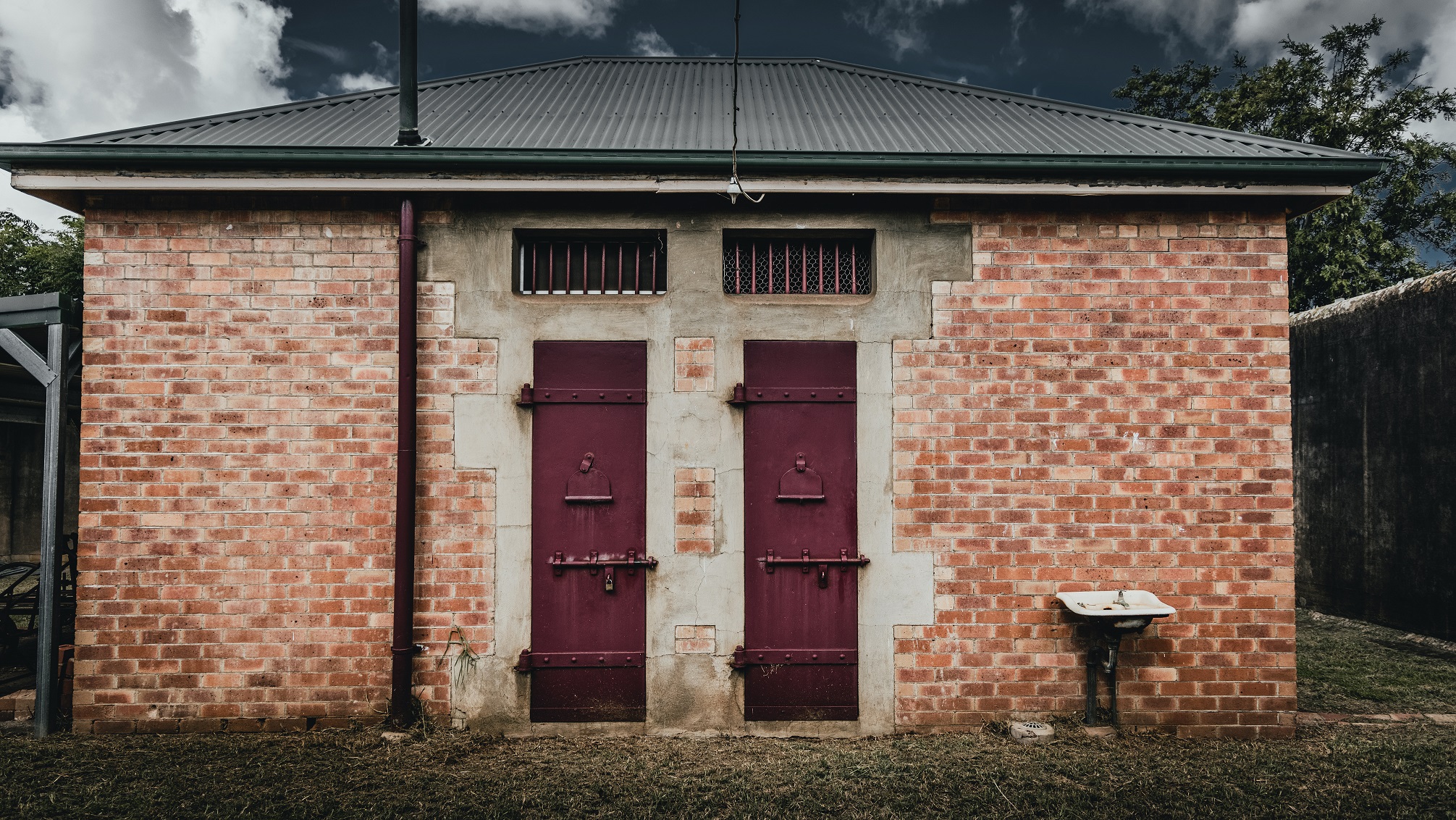
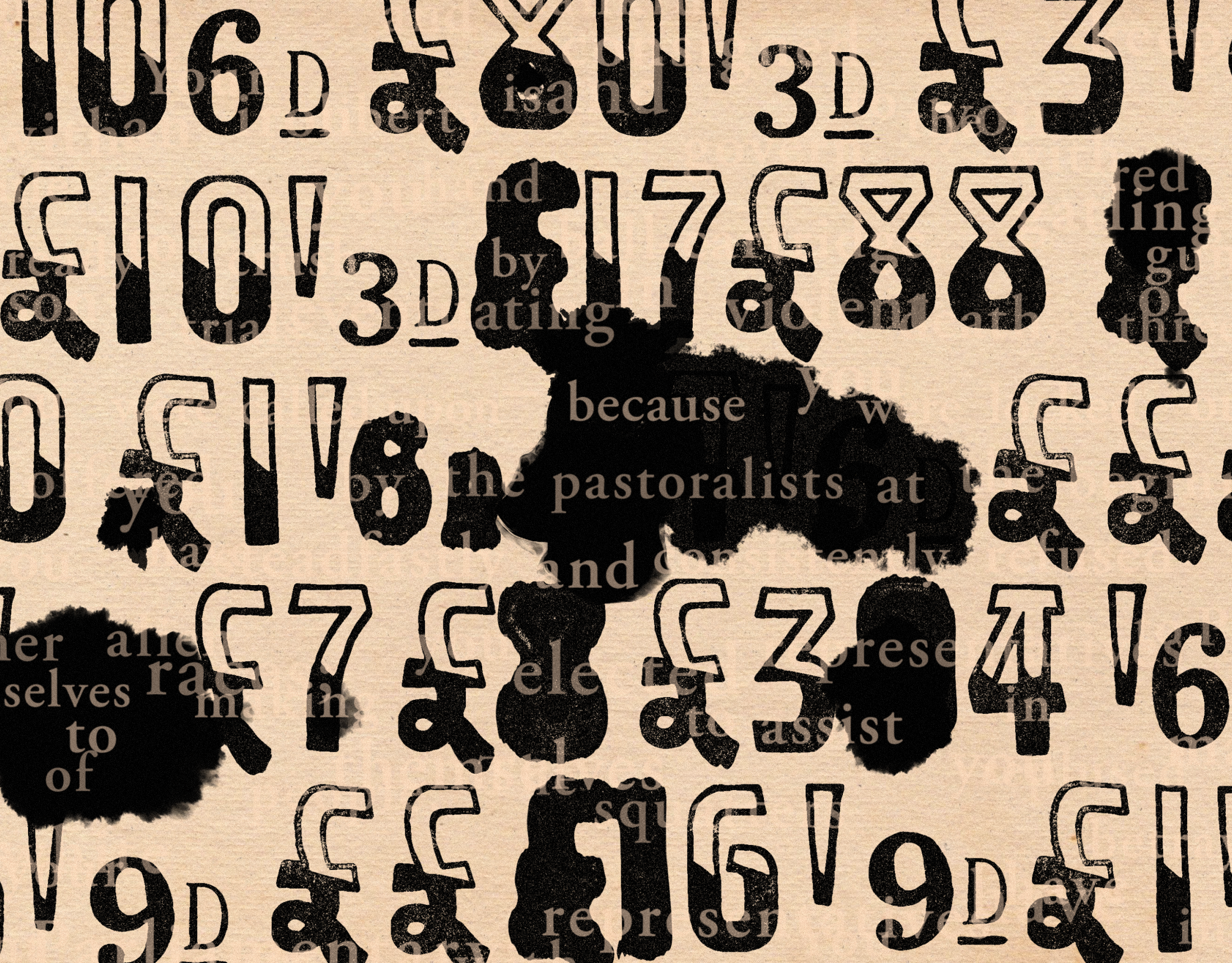
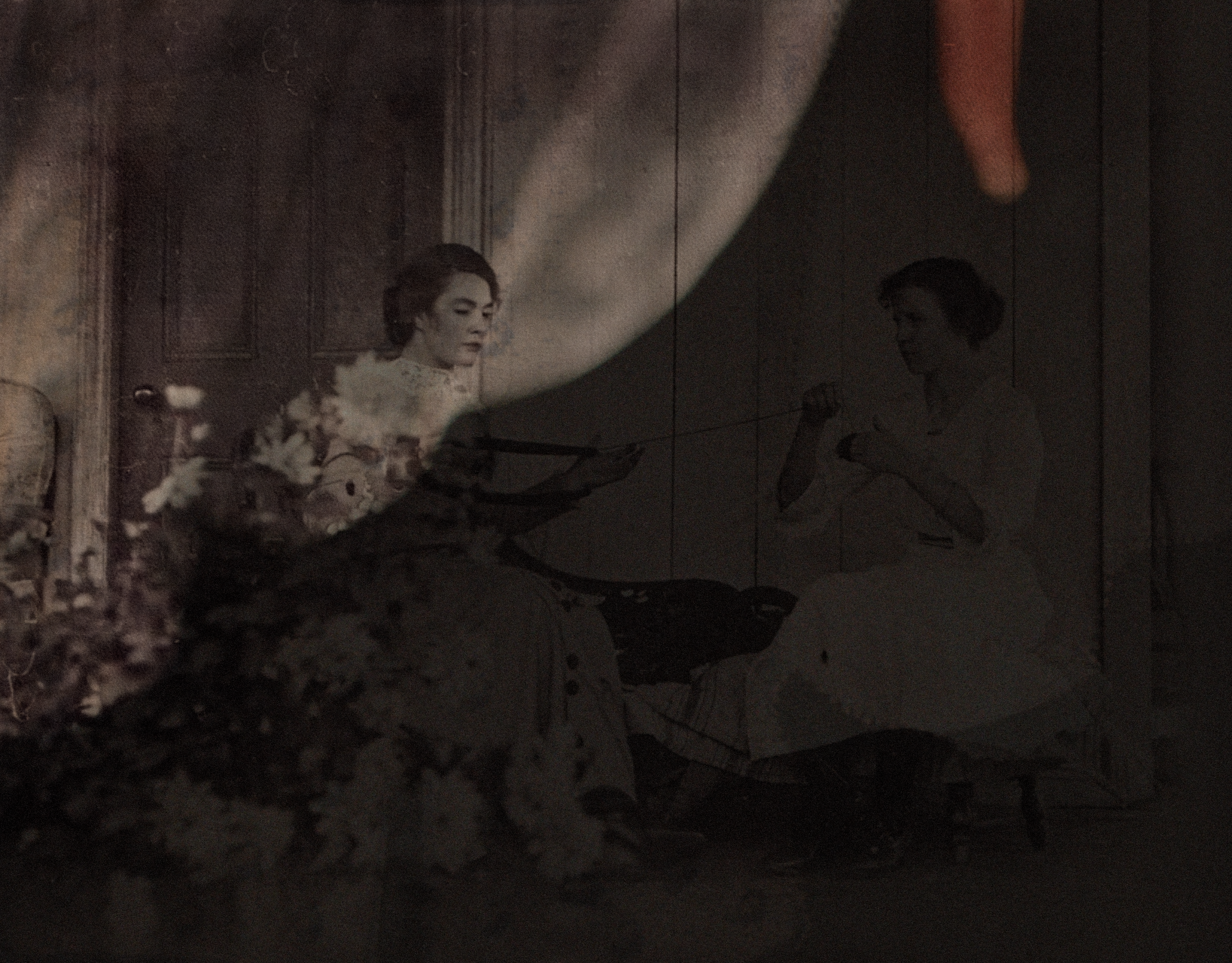
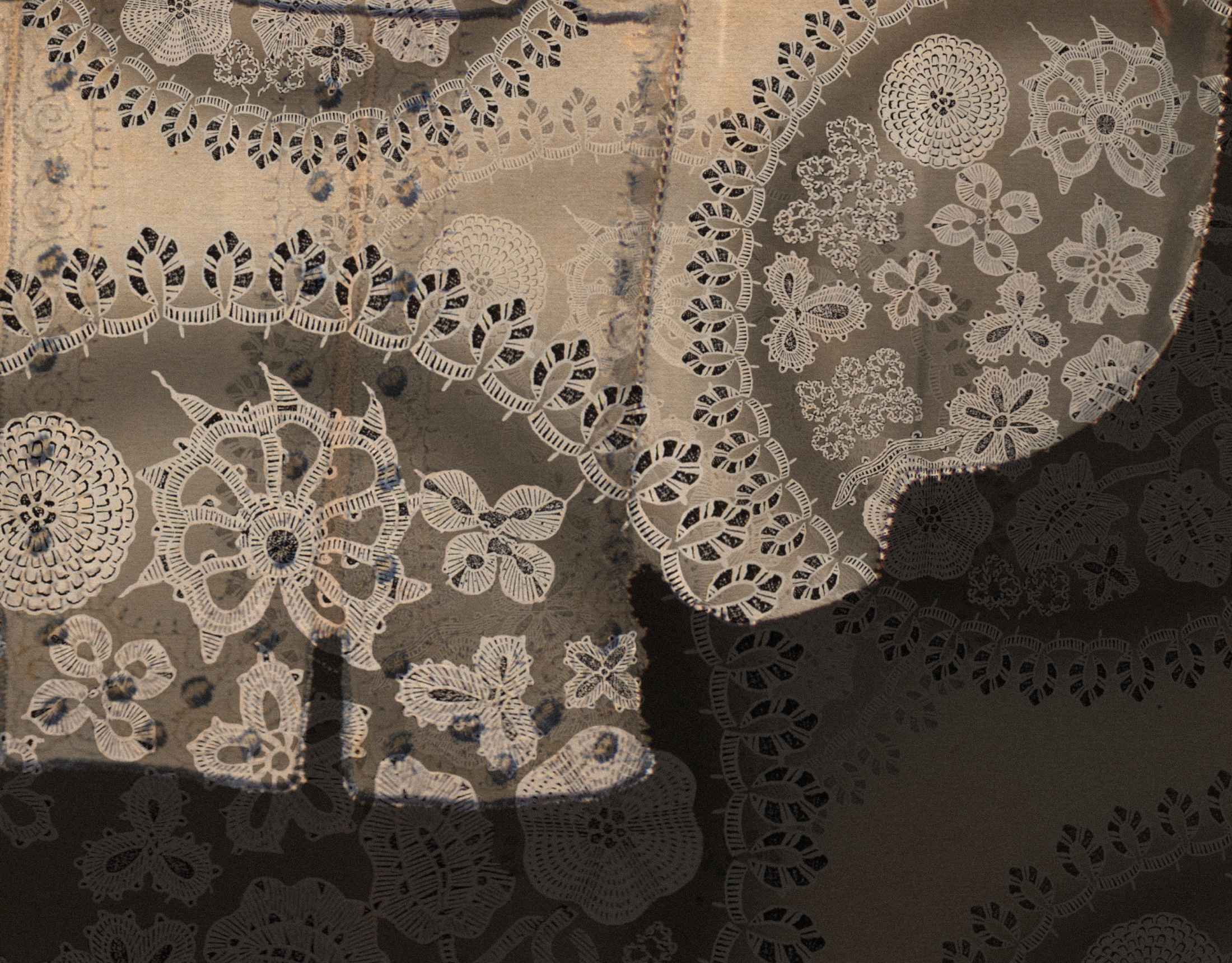
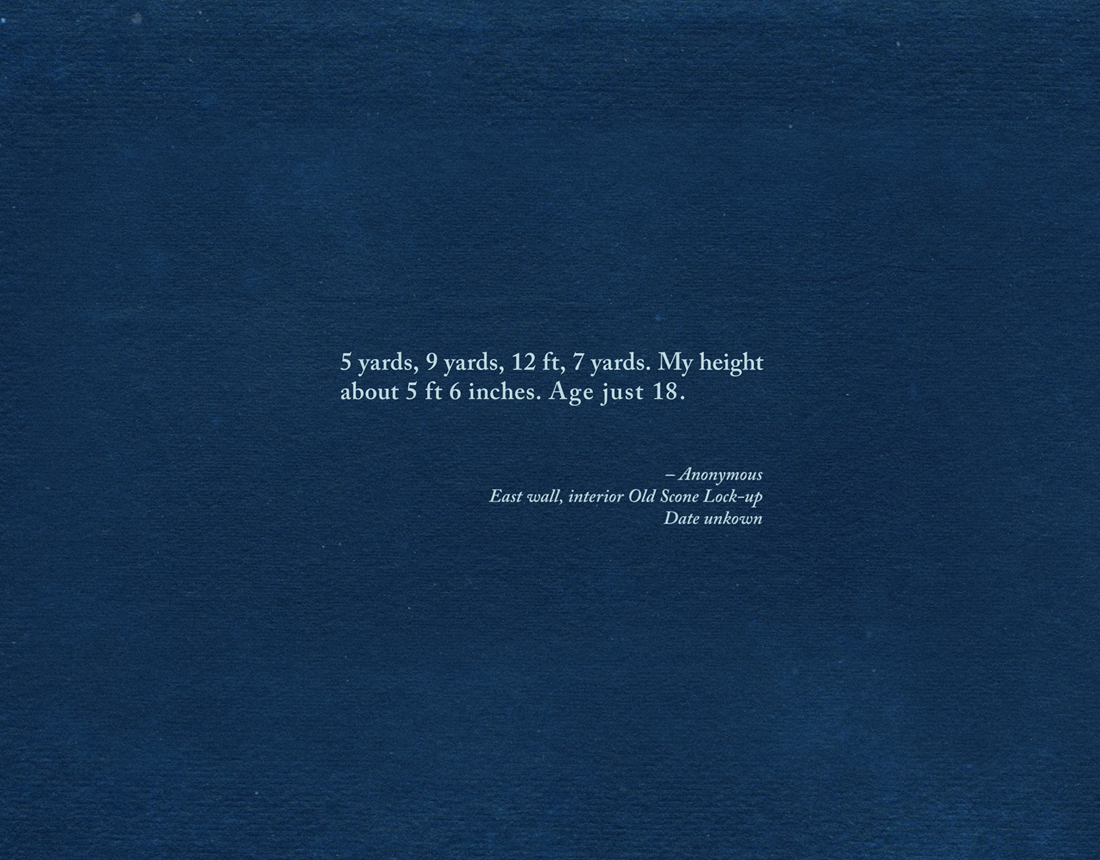
Developed over 12 months in collaboration with members of the Scone Museum and the local community, Time Portal transforms the historic Scone Lock-up jail cell into a multisensory experience of light, sound, and moving image. Drawing on the museum’s collection — from 16mm film reels to a Victorian wedding dress, a prickly pear mincer to a brass fire helmet — the installation weaves together the hidden stories of the Upper Hunter region.
Time Portal was created by Case Collective — immersive artist Anna Fraser and creative producer Suzannah Jones.
In this insights interview, Anna and Suzannah discuss the collaboration, community participation and the creative process behind this immersive installation inspired by the stories within a regional museum collection.
Time Portal transforms a historic jail cell into an immersive digital artwork. What inspired you to reinterpret this unique museum space, and how did the museum’s collection shape the final installation?
Suzannah Jones:
I first came across the historic cell three years ago while working on another project at Scone Museum and immediately saw its potential. It was being used as storage at the time, but the museum members had already been thinking about activating the space publicly.
When Anna Fraser approached me looking for a regional community project, I immediately thought of the cell. We drove to Scone together, she saw the potential instantly, and from there I researched and wrote the grant application – in consultation with Anna and the museum – and we were successful in securing funding through Create NSW’s Creative Steps New Work program. It was my first grant as an independent Creative Producer after many years working with organisations, which made it all the more meaningful.
Anna Fraser:
Suzannah and the Museum had been working together to find a way to bring the space to life. I came on board after they had seen the potential for the space. I think it is forward thinking to bring these two worlds of an object and artefact driven collection into a more elusive digital experience.
My background is hybrid – art/design/film, but these different threads come together in the world of immersive because the audience and their experience are at the forefront of everything that is created. Even though I originally studied Visual Arts, I don’t call myself an artist. An ‘artist’ of a more traditional nature probably would have been more inclined to make anything they felt like, but I feel like that was not my approach.
My inspiration came from the people, volunteers, and contributors to the museum and their love of social history – they are the keepers of the space, memories, oral histories, and the ordinary but everyday details of history. I was struck by the chaos of collecting itself, how to hold on to artefacts, why do we hold on to them, and how in the chaos so many things are missing and absent. In the photography collection, there was a box marked unidentified photos, filled with portraits of people in their best clothes, their identities lost to time, yet still there, alive for us to see.
The project involved close collaboration with Scone Museum volunteers, local residents and students. How did community participation influence the creative development of Time Portal, and what did you learn from working with the Upper Hunter community?
Suzannah Jones:
The community input shaped this project significantly. Museum member Margaret MacDougall’s extraordinary knowledge of the collection revealed stories – like Granny Sutton’s – that became one of the themes of the installation. The students’ fresh eyes on familiar objects produced animations that engaged and surprised us.
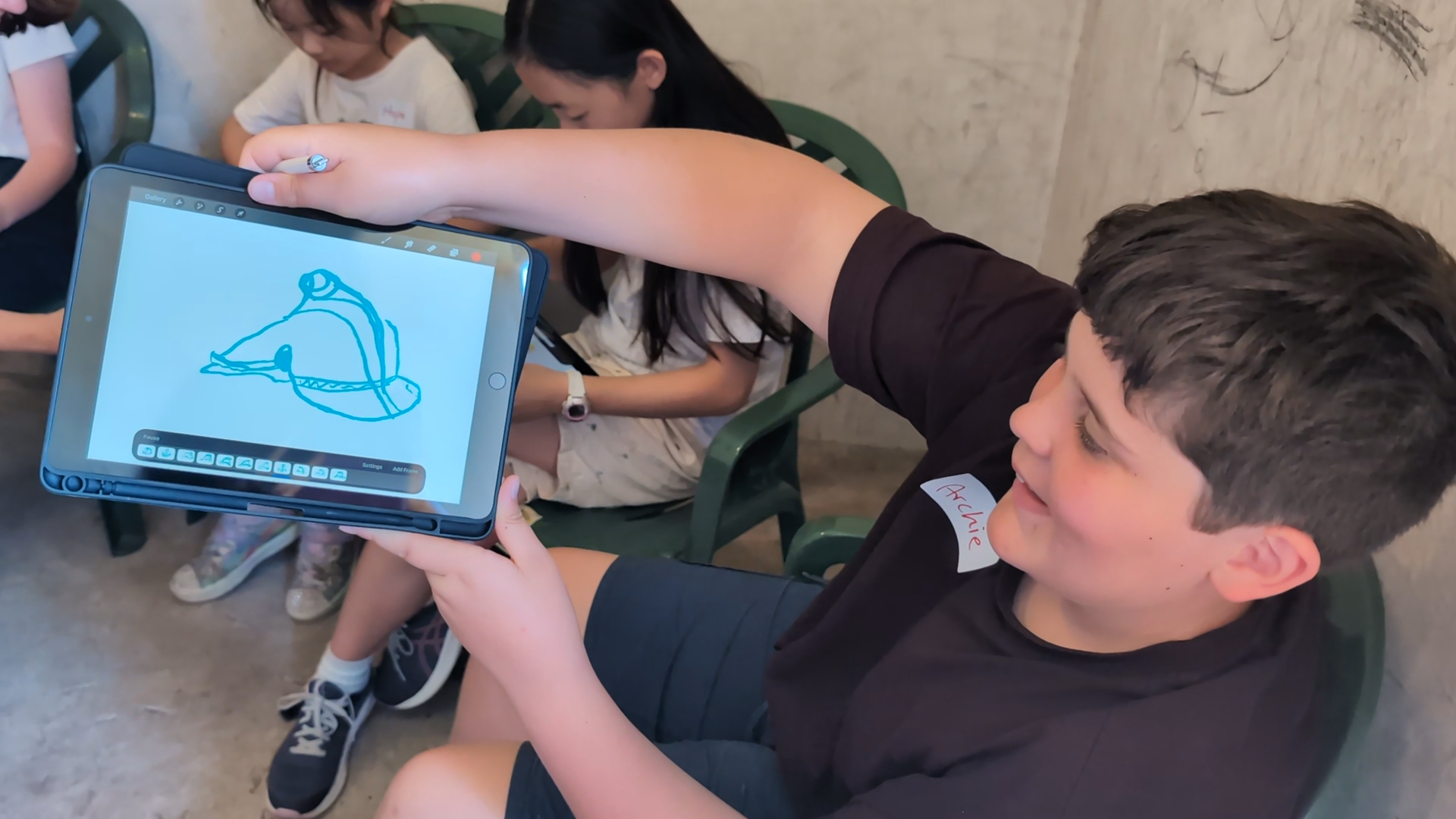
We ran workshops with Scone Grammar School and school holiday workshops for the wider community, with student work now displayed in the museum. The volunteer contribution was extraordinary – when I calculated the total in-kind value, it was substantial. The Upper Hunter community taught me that the appetite for this kind of engagement is alive. People want to see their stories told and their history celebrated.
Anna Fraser:
I really enjoyed working with the volunteers in the Museum and hopefully made some life long friends. I learnt a great, easy apple slice recipe from Carol – I’ve tested it out a couple of times, and it’s been a great success! It’s been great to experience the tight weave of the fabric of Scone, the interconnection of families. It is a very welcoming community.
I did a lot of research for the kids’ workshops – specific facts and storytelling to make information packages. Most of the kids had no interest in my story choices, so we adapted on the go and found the things they were drawn to in the museum collection. The NSW brass fireman’s helmet was a big hit, as Margaret, the 90 year old curator gave one of her delightfully funny tours which included the helmet. I loved working with the kids and teenagers of Scone, finding them full of life and inspiring. It also gave me the chance to see history and objects through their eyes, which was very important to my process. In one of the holiday workshops we were animating kerosene lamps, and the discussion turned to why, the torches of their time, were no longer needed today – one of the younger participants explained succinctly that we have solar power so we can always charge our phones, which we use as torches, making kerosene lamps obsolete!
In creating Time Portal, did you explore opportunities to acknowledge or engage with the Aboriginal history and cultural stories of the region?
Suzannah Jones:
Through my work across the Upper Hunter, First Nations content is approached depending on the project, context and situation – and in other projects, this content is very much explored.
In the case of Time Portal, the Scone Museum installation was intentionally designed around the museum’s existing collection, which contains minimal First Nations artifacts. During early development, we were advised that placing Aboriginal content within a former lock-up jail cell would be culturally inappropriate. Out of respect for that advice and cultural protocols, we made the decision not to include it in this specific display.
This scope was clearly communicated to Create NSW from the outset, with our initial application stating that First Nations content would not feature in this installation.
While we remain mindful of the region’s broader Aboriginal history, the scope of this project is strictly focused on activating a heritage jail cell with the museum’s core archival collection. Exploring First Nations history deserves a dedicated, separate project at another time, in consultation with the appropriate communities.
In your artist statement, you describe both the stories present in museum collections and the histories that are absent or fragmented. How did Time Portal explore these gaps, and why is it important for contemporary artists and museums to engage with them?
Anna Fraser:
The museum collection, not unlike any other Australian collection, is overwhelmingly about settler colonisation. At times, I found it to be pretty confronting. I am the product of that history, and my thoughts were never far away from the minimal presence of First Nations people and their experiences. It brought a deep sense of unease at times, a sadness. But as Suzannah will explain, in the consultation process, we had specifically planned not to do any First Nations stories.
Looking back through documentation, you can never fully grasp the moment or the story, just a fragmented experience of it. That experience is defined by what was collected and deemed important. From the perspective of class, technology and gender, those with social capital in society had the access to technology, wealth and time and therefor define collections. Their letters, photos and documents live on, while others with less power and wealth were lost before they were even thought to be captured. Absent or just a fleeting glimpse.
We also fill the gaps with our own biases and lens – I definitely felt I was looking through the lens of being a woman and felt I responded to how women were spoken about in the media, what their experience was through fabric and sewing, but also explored the power they had in the roles they could undertake, like Nursing and the CWA. At one point, I madly tried to shove in some Buckjumpers to even up the gender, but Carolyn, the President of the Museum, assured me it was okay!
As humans, it’s important to go back and look through the past – the present moment can be hard to take in and understand; it’s often not until some time has passed that we understand what happened or how we felt. The past allows us to reflect on social, political and economic history and also observe our own thoughts, experiences and emotions towards them – a checking in with ourselves and the society we live in so we can learn, adjust, adapt and change.
Time Portal combines local history, digital technology, sound and moving image to create a new way of experiencing a museum collection. What do you hope visitors take away from the installation, and what does the project reveal about the potential for regional museums to embrace contemporary creative practice?
Suzannah Jones:
I hope visitors leave feeling that history is not distant or irrelevant – that it lives in the objects around us and in the stories of ordinary people. Through our history we understand our present, and perhaps even our future – which in our current climate feels particularly important and relevant.
For me, the deeper question this project raises is about the untapped potential of regional museums. These are extraordinary repositories of community memory, often under-resourced and struggling to attract new audiences. Time Portal demonstrates what becomes possible when contemporary artists work deeply with a regional collection. The stories are already there – they just need new ways of being told.
Anna Fraser:
I worked with Gary Sinclar, the sound designer and composer, on this piece to create an immersive work. Immersive projects really come to life with sound, taking the experience to another place that an image can’t do on its own. In this instance, we recorded Phil Charley, a local performer in the space. Once the sound is experienced within the four concrete walls of the lock-up it becomes almost like a physical experience in the body.. I hope the audience can feel their own presence in the space, in the moment and catch a fleeting glimpse of stories, not quite complete – a subtle movement unexplained and brought to life in a photograph, layers of voices, the slow motion flutter of fabric in the breeze, images, textures, words, landscapes slowly receding into the past.
What I love about this project is the tactile artefact driven history being allowed to collide with a more elusive digital and immersive experience. Perhaps one day we will be able to go on a road trip tour of small regional museums in small country towns where we can see both the real, the tangible and the artefact driven along with a more elusive digital exploration of documentation and stories. I’d love to experience some sound driven explorations in regional and museum space. That would be great.
Time Portal was supported by the NSW Government through Create NSW as part of the Creative Steps — New Work funding program, which supports the development of new artistic works across NSW.
Insights interview conducted by Jason Gee, Communications Manager, Museums & Galleries of NSW.
Insights is an interview series highlighting the voices of museum and gallery professionals across New South Wales. The series features conversations with individuals working at the forefront of the sector, demonstrating how their ideas, leadership and day-to-day practice contribute to a more vibrant, resilient and inclusive future for museums, galleries and Aboriginal cultural centres.