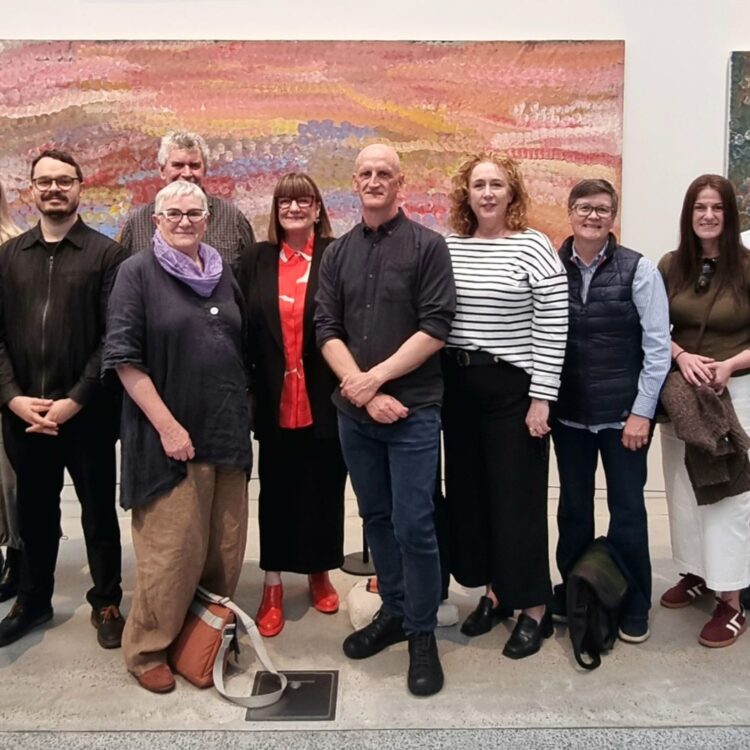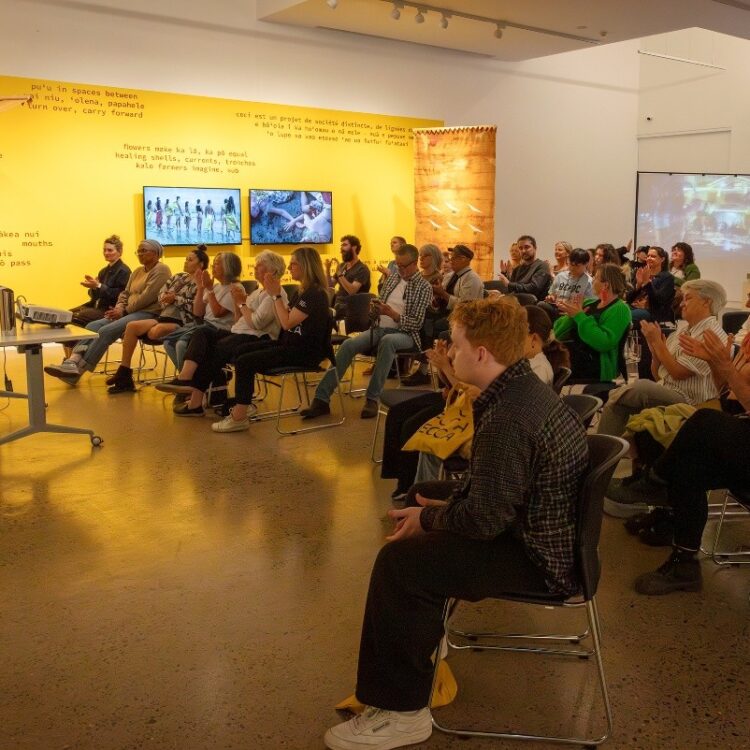
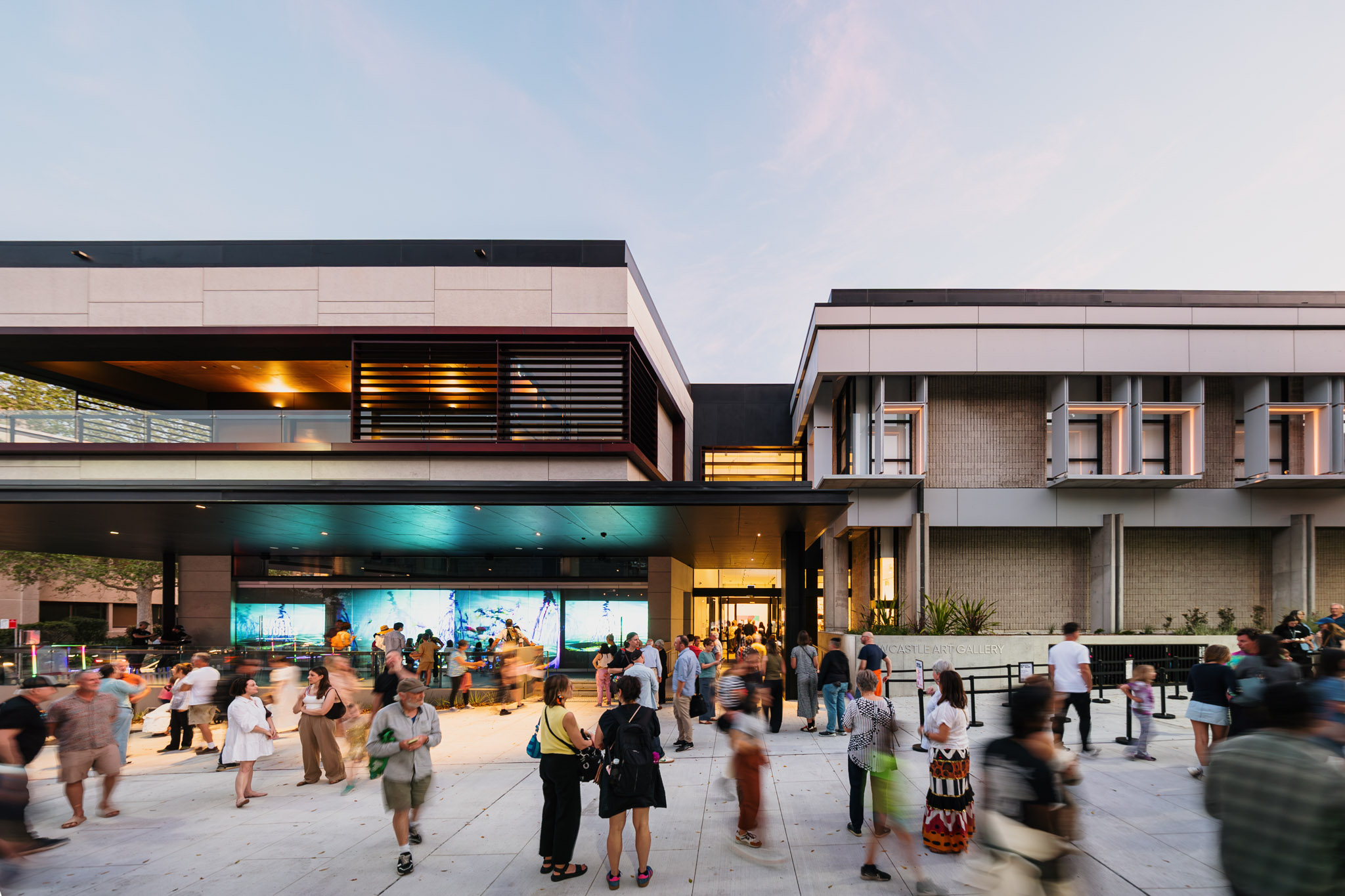
Lauretta Morton OAM reflects on the leadership, resilience and collaboration required to deliver one of the most significant cultural redevelopments in regional Australia. After years of vision, advocacy and construction, Newcastle Art Gallery has reopened as a transformed cultural institution, unveiling an expanded building alongside a bold 2026 exhibition program.
The reopening of the Newcastle Art Gallery marks the culmination of many years of planning, fundraising and redevelopment. What have been the biggest leadership lessons from delivering a project of this scale?
Learning to ‘stay the course’ and hold steady through uncertainty. This project spanned many years, with two highly publicised failed attempts, so there were certainly moments when it felt like the goalposts were constantly shifting. Leadership, in this context, meant that I was the person who had to resuscitate the vision back to life, even when the path forward wasn’t always clear, so maintaining team alignment and enthusiasm around our shared vision has been essential.
Equally, I strongly believe that transparency builds resilience. Being open with my team, stakeholders, and community about the many challenges, timelines, and decisions helped maintain trust during the more difficult phases, of which there were many!
I’ve come to appreciate the power of endurance: celebrating milestones, supporting the team through change fatigue, and continually returning to the WHY we were doing this… so that our city could finally have the grown-up gallery that truly reflects the significance of our collection and celebrates the cultural strength of our community and arts ecology.
The redevelopment has more than doubled the Gallery’s exhibition capacity and introduced new public and learning spaces. How did the team approach rethinking the visitor experience and program possibilities when designing and activating these new spaces?
I began by asking the team to question WHY to absolutely everything, why would we continue to program like before? This is a once in a career opportunity to build an entirely new gallery from the ground up. This led to reframing our visitor experience from the perspective of curiosity, comfort, and belonging. Rather than simply enlarging the building, we wanted each space to invite deeper engagement through participation, learning, social connection, or quiet contemplation.
Many of the new areas are intentionally adaptable, allowing our programming to respond to emerging ideas, collaborations, and community needs. The expansion gave us physical scale, but the real transformation came from expanding our thinking about what our state-of-the-art institution should offer.
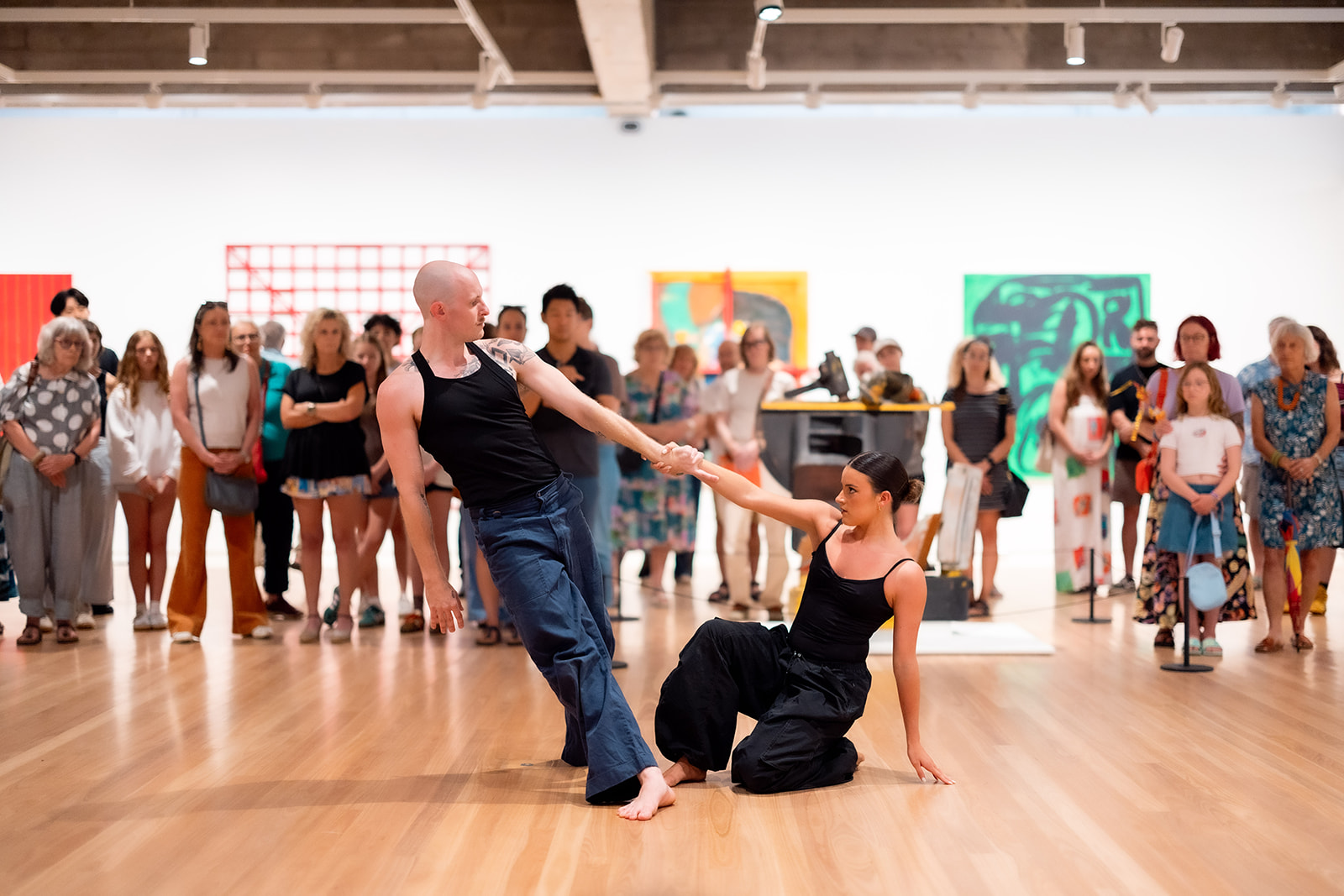
It was deeply important to me that our gallery be a place where people feel they belong, a safe, welcoming place. Our new amenities and spaces aren’t just functional additions, they are designed to be open, welcoming, and flexible, offering opportunities for people to gather, experiment and be inspired. We want our visitors to come as they are but to leave differently.
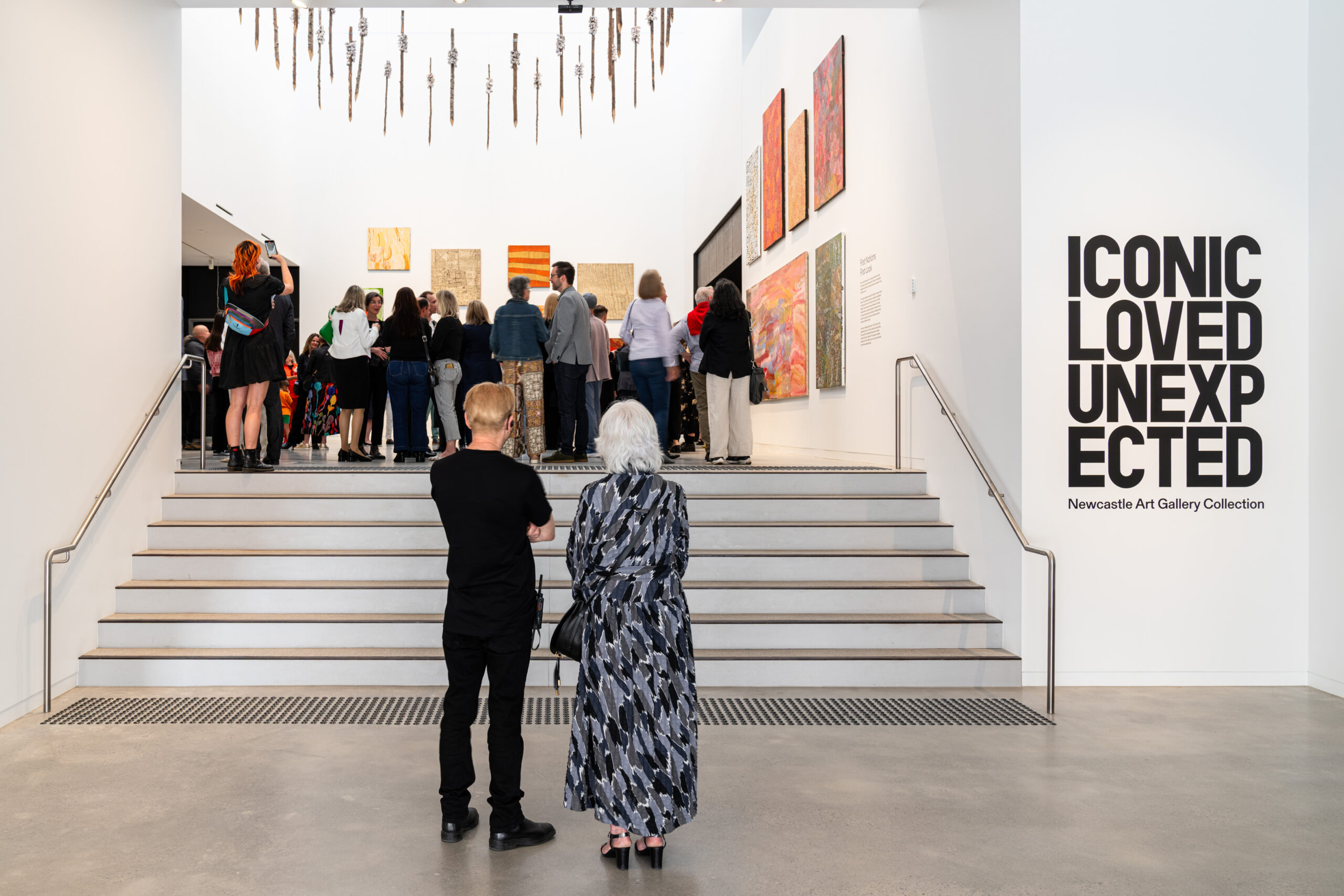
The 2026 opening program celebrates the Gallery’s collection in new ways. What curatorial thinking shaped the program, and what story did you want the reopening exhibitions to tell?
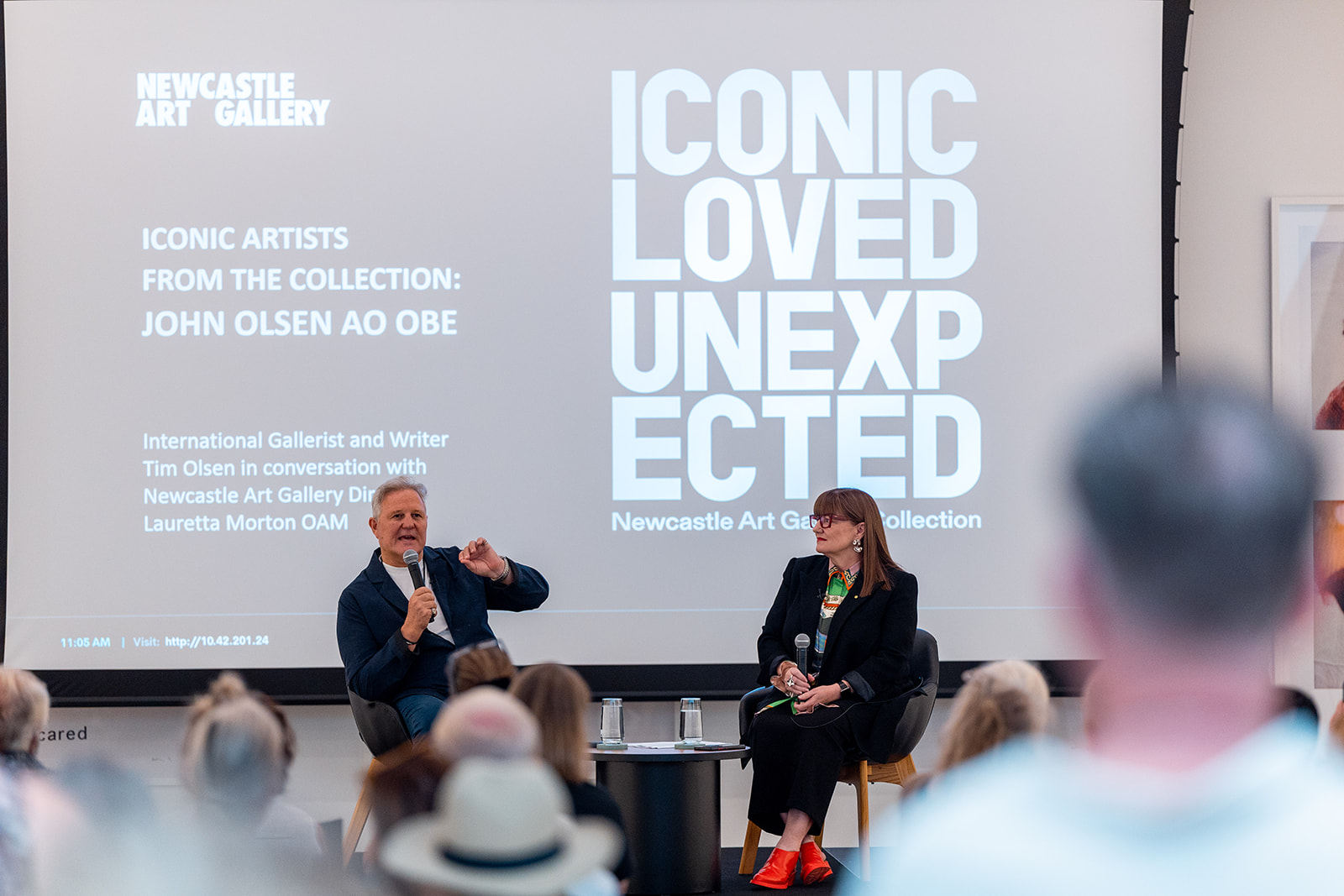
We wanted our reopening program to speak to both legacy and renewal. Developing our first major collection publication, ICONIC LOVED UNEXPECTED, informed our inaugural reopening exhibition, revealing its depth and breadth with fresh clarity.
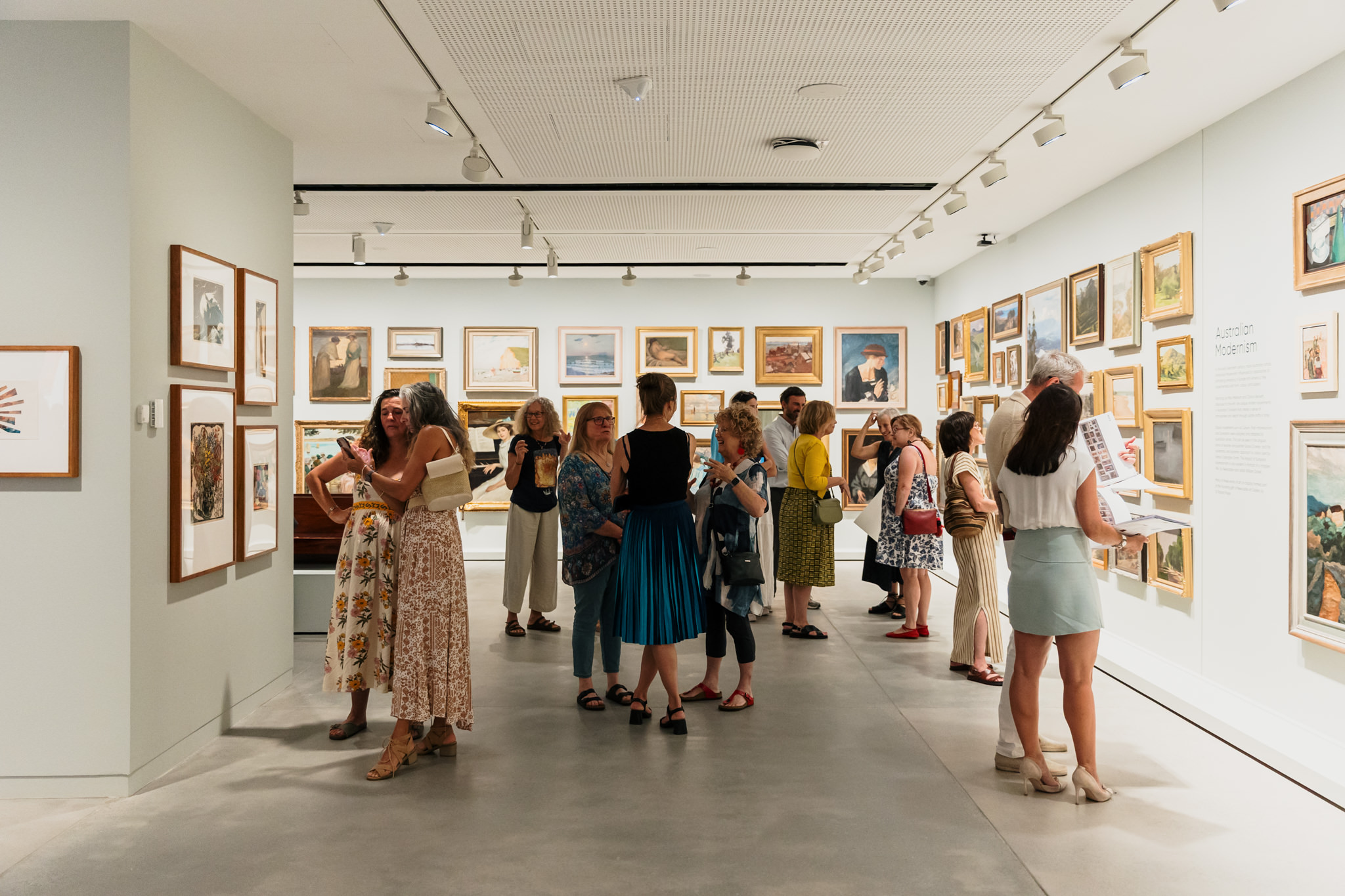
Curatorially, the team focused on storytelling that is generous and layered, bringing forward well‑loved works while also amplifying artists and narratives that have been underrepresented. The reopening exhibitions highlight the many voices that shape Australian and international art, including our longstanding commitment to First Nations and female artists.
The overarching narrative is one of reconnection: between past and present, with iconic, much loved, and unexpected gems from our collection that audiences may not have seen for several years. We wanted them to feel both a sense of return and discovery.
At its heart, the story we wanted to tell is one of connection, between our city and its artists, between the past and our cultural identity, and between people who have missed having this gallery as part of their everyday lives.
Major redevelopments can transform how a gallery works behind the scenes. What changes have had the biggest impact on your team and operations?
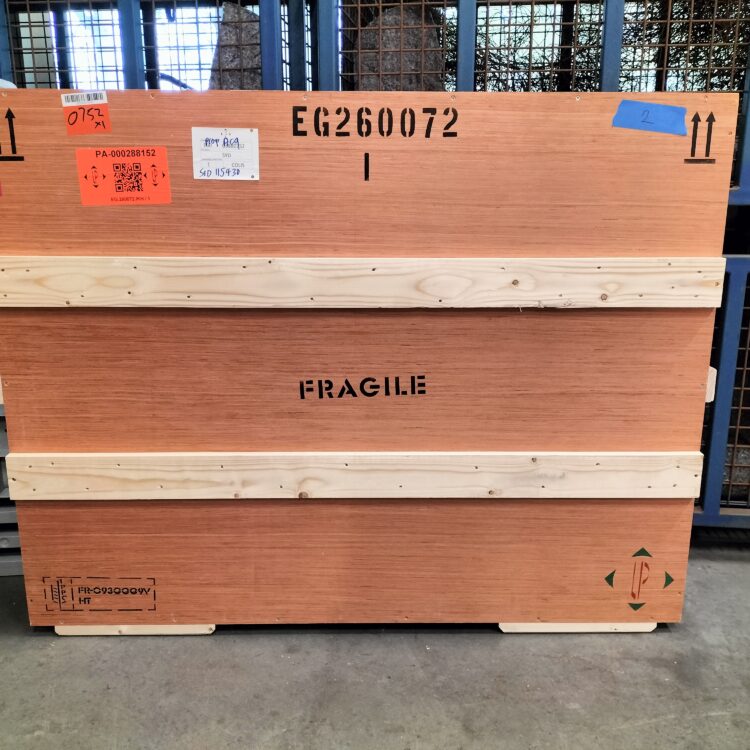
The most significant shift has been the move from operating in a constrained environment to one that supports best‑practice museum standards. The new international standard loading dock and art hoist are a game changer; we can now safely and securely accommodate major international exhibitions. Improved environmental controls and dedicated ‘back of house’ spaces for incoming loan quarantine, technical preparation, and conservation have also dramatically enhanced what we can now achieve onsite.
Operationally, the scale of the new building required us to revisit our structures, processes, and workflows. We invested in strengthening cross‑team collaboration, upskilling staff to manage more complex exhibition builds, and adopting new IT systems for collection care and visitor services.
But beyond the physical improvements, the biggest shift has been cultural. The team has grown in confidence. There is a renewed energy and pride in what we can now accomplish. I can see people taking creative risks, collaborating more closely, and imagining opportunities that would have felt out of reach only a few years ago.
It’s been incredibly rewarding to watch the talented team rise to meet the possibilities of the new building and to find their groove.
For other regional galleries contemplating capital projects, what advice would you offer about preparing an organisation and community for such a significant undertaking?
My strongest advice is to nurture your relationships; they are the backbone of any successful project. Keep your team and community close, be honest about the challenges, and bring them on the journey. Their support will carry you more than you realise.
There were literally days that I felt like I needed to wear armour, but I couldn’t let anyone down, especially my team, so that kept my focus razor sharp. These projects can be exhilarating, but they’re also extremely exhausting. Clear communication, shared decision-making, and regular moments to ‘breathe’ make a world of difference.
Keep returning to your core purpose. A capital project is ultimately a cultural investment, not just a construction project. When you anchor decisions in the needs of your community, artists and audiences, the project becomes a shared endeavour, one that strengthens the institution far beyond the reopening day.
And finally, stay true to your purpose. There will be moments when the process feels overwhelmingly difficult, but at its core, it’s about creating a cultural space that will serve your community for future generations to enjoy. Holding on to that truth helps you make challenging but important decisions that align with your values and keeps you focused on the end game.
Visit the Newcastle Art Gallery website: newcastleartgallery.nsw.gov.au
Insights interview conducted by Jason Gee, Communications Manager, Museums & Galleries of NSW.
Insights is an interview series highlighting the voices of museum and gallery professionals across New South Wales. The series features conversations with individuals working at the forefront of the sector, demonstrating how their ideas, leadership and day-to-day practice contribute to a more vibrant, resilient and inclusive future for museums, galleries and Aboriginal cultural centres.
If you would like to participate in our Insights series, please get in contact.